
Introduction
If you’re researching LED video walls, you’ve probably encountered the term pixel pitch. In fact, it’s one of the first specifications you’ll see when comparing LED displays. More importantly, it’s also one of the most important factors affecting image quality, viewing distance, project cost, and overall performance.
However, many buyers assume that a smaller pixel pitch is always better. While that may sound logical, it isn’t always true. Instead, the right pixel pitch depends on your application, viewing distance, content, environment, and budget.
Whether you’re designing a corporate lobby, command center, retail display, broadcast studio, museum exhibit, or trade show booth, selecting the correct pixel pitch ensures you get the best performance without overspending.
At Screen Solutions International (SSI), we help businesses design LED display systems that match their specific goals. Rather than recommending a one-size-fits-all solution, we evaluate how the display will be used and recommend the optimal pixel pitch for maximum value.
In this guide, you’ll learn what pixel pitch means, why it matters, how it affects image quality, and how to choose the right LED video wall for your project.
What Is Pixel Pitch?
Pixel pitch is the distance between the center of one LED pixel and the center of the next LED pixel.
This distance is measured in millimeters (mm).
For example:
- P1.2 = 1.2 mm between pixels
- P1.5 = 1.5 mm between pixels
- P1.9 = 1.9 mm between pixels
- P2.5 = 2.5 mm between pixels
- P4 = 4 mm between pixels
- P6 = 6 mm between pixels
- P10 = 10 mm between pixels
The smaller the number, the closer the LEDs sit together.
Consequently, the display contains more pixels in the same area. As a result, images appear sharper and more detailed, especially when viewed from short distances.
Why Pixel Pitch Matters
Pixel pitch affects nearly every aspect of an LED display.
It influences:
- Image clarity
- Viewing distance
- Resolution
- Cost
- Installation environment
- Audience experience
Therefore, choosing the correct pixel pitch is one of the most important decisions you’ll make during an LED display project.
Rather than automatically selecting the smallest available pitch, businesses should first consider how people will view the display.
How Pixel Pitch Affects Image Quality
Imagine looking at a digital photograph.
From a distance, the image appears smooth and detailed.
However, if you move extremely close, individual pixels become visible.
LED displays work the same way.
Because fine-pitch displays place LEDs closer together, viewers cannot distinguish individual pixels at normal viewing distances.
Consequently, text becomes sharper, graphics become smoother, and video content appears more lifelike.
Conversely, larger pixel pitches work exceptionally well when viewers stand farther away.
Therefore, there is no universal “best” pixel pitch—only the best choice for a particular application.
Understanding Fine-Pitch LED Displays
Fine-pitch LED displays typically range from P0.9 to P2.5.
These displays are designed for close viewing environments where image quality is critical.
Common applications include:
- Executive boardrooms
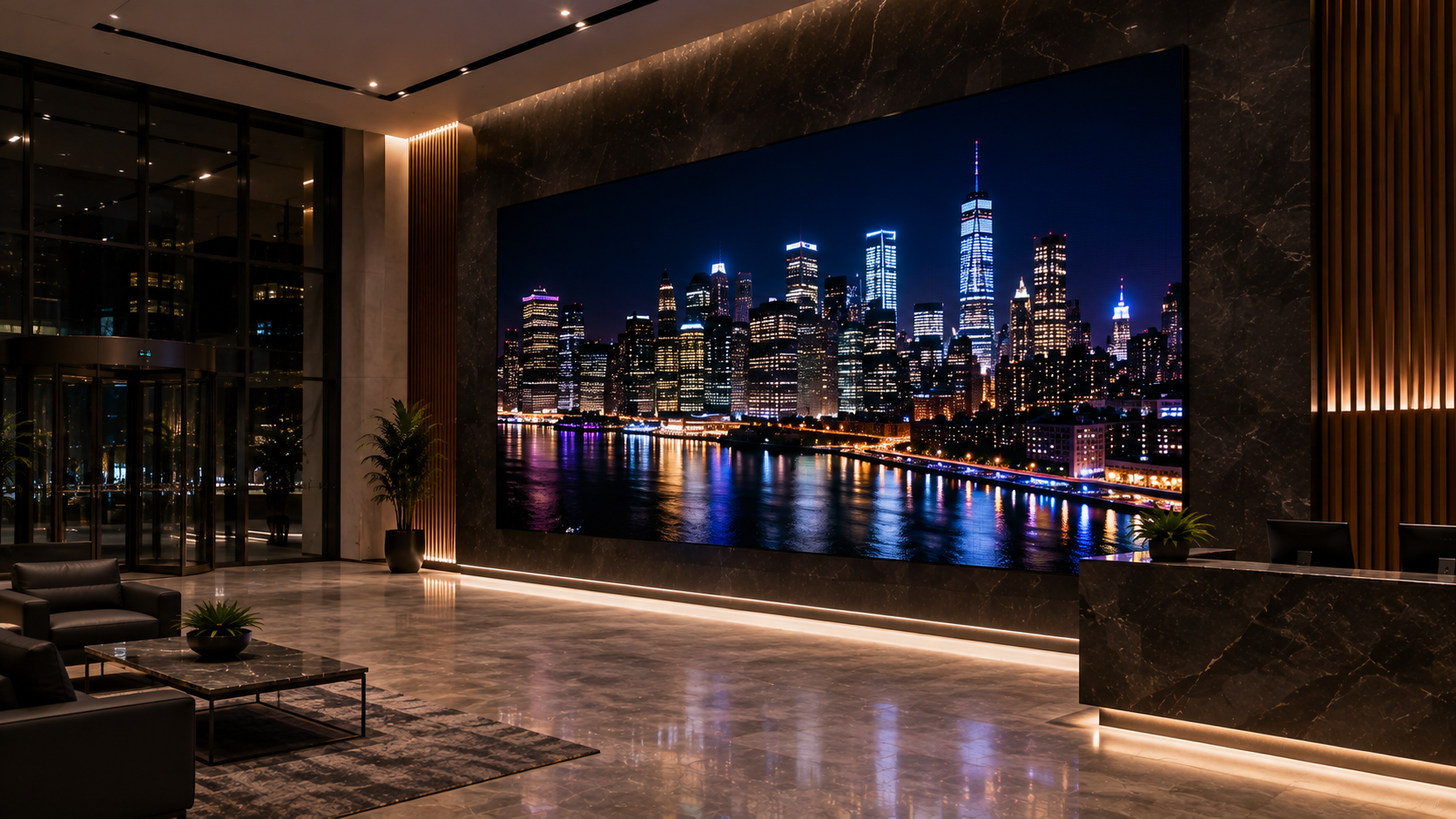
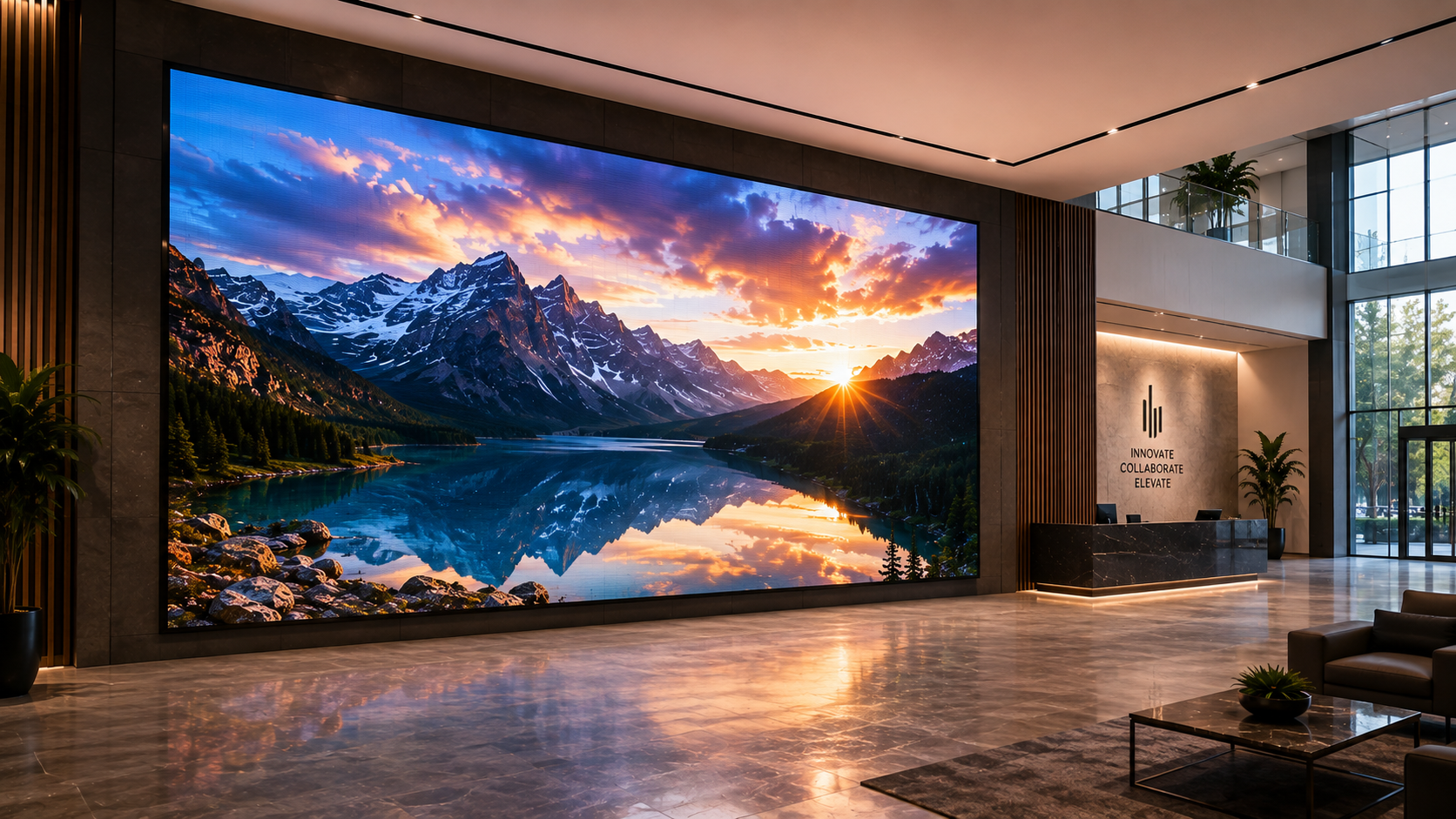
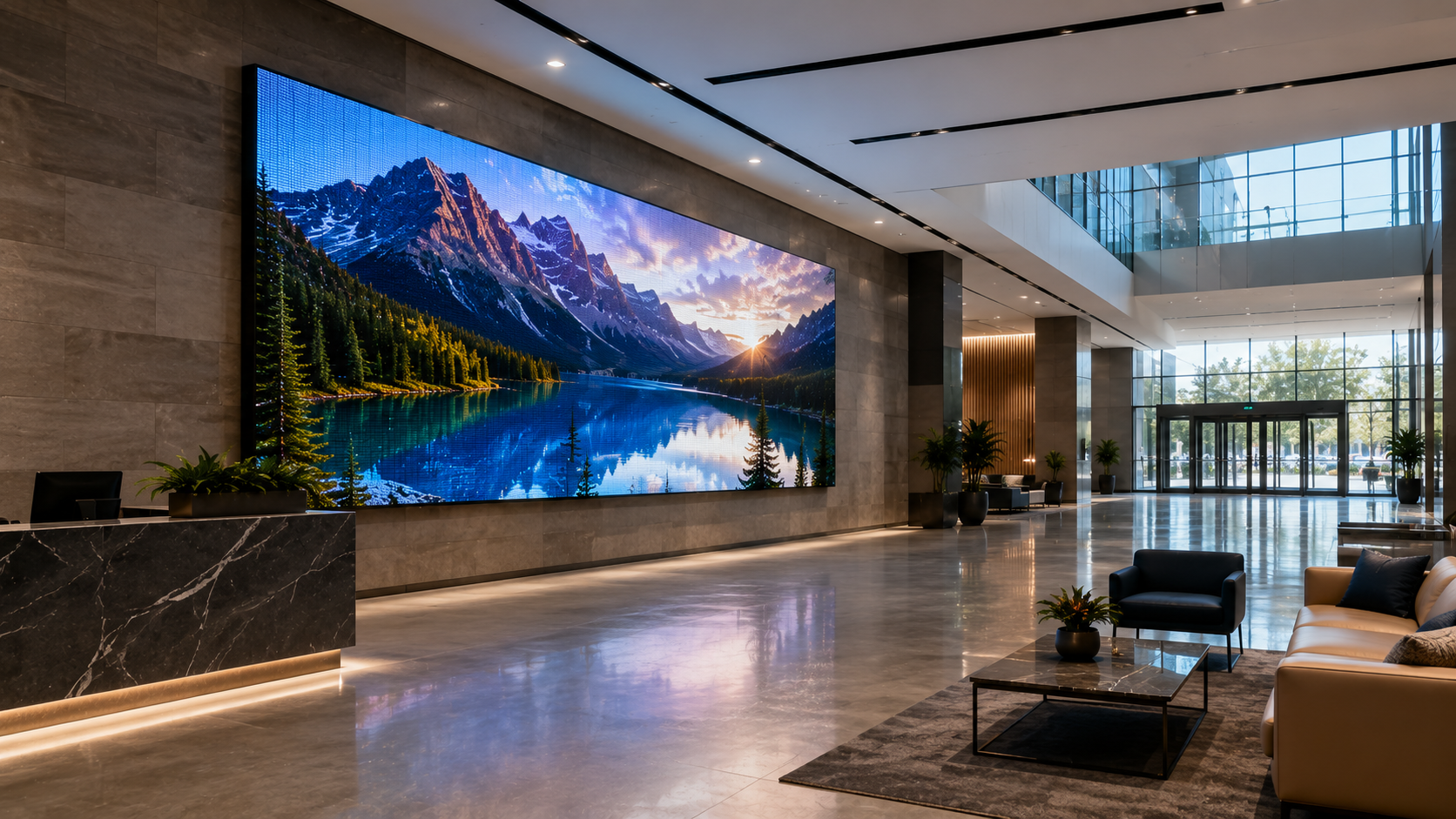
- Corporate lobbies
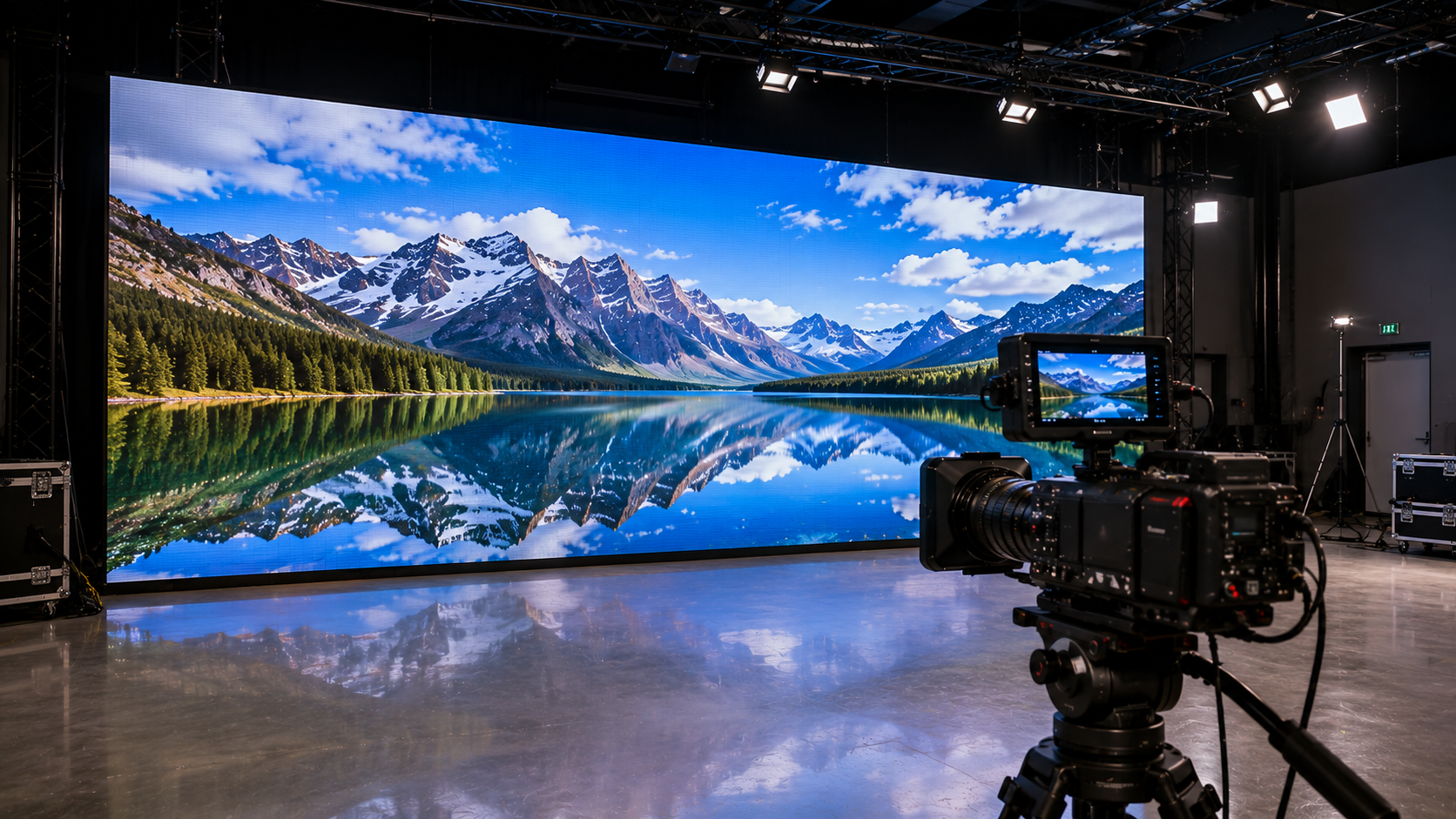
- Broadcast studios
- Control rooms
- Security operations centers
- Museums
- Universities
- Healthcare facilities
Because visitors often stand only a few feet away, fine-pitch displays deliver exceptional clarity and professional presentation quality.
Internal SSI Link:
https://ssidisplays.com/led-video-walls/
Larger Pixel Pitches for Long-Distance Viewing
Not every display requires extremely fine resolution.
Outdoor billboards, stadium displays, and large event screens are viewed from much greater distances.
Consequently, larger pixel pitches often provide excellent performance while reducing overall project cost.
Typical applications include:
P4 – P6
Ideal for:
- Retail environments
- Churches
- Auditoriums
- Trade shows
- Large conference rooms
P8 – P10
Ideal for:
- Outdoor signage
- Building displays
- Sports venues
- Highway advertising
- Large public spaces
Because viewers stand farther away, larger pixel pitches remain visually impressive.
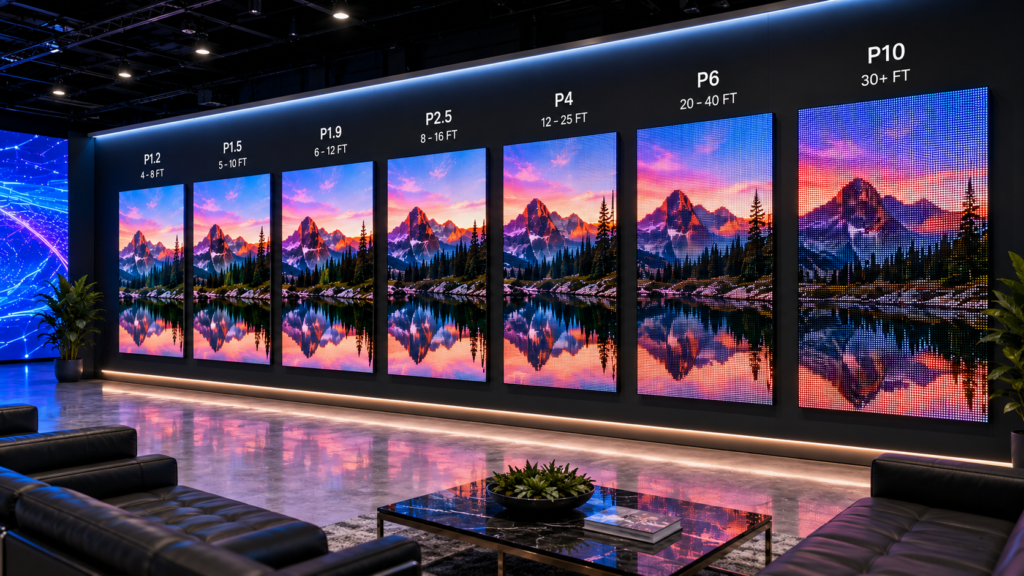
Typical Viewing Distance Guide
Although every project is unique, the following guidelines provide a helpful starting point.
| Pixel Pitch | Recommended Viewing Distance | Typical Applications |
|---|---|---|
| P1.2 | 4–8 ft | Boardrooms, Broadcast, Control Rooms |
| P1.5 | 5–10 ft | Executive Lobbies, Museums |
| P1.9 | 6–12 ft | Corporate Displays, Visitor Centers |
| P2.5 | 8–16 ft | Retail, Conference Rooms |
| P4 | 12–25 ft | Churches, Event Spaces |
| P6 | 20–40 ft | Auditoriums, Trade Shows |
| P8–P10 | 30+ ft | Outdoor Advertising, Stadiums |
These recommendations provide general guidance. Ultimately, display size, content type, and environmental conditions also influence the ideal selection.
Pixel Pitch and Resolution
Many buyers confuse pixel pitch with resolution.
Although they are closely related, they are not the same.
Pixel pitch determines pixel density.
Resolution represents the total number of pixels across the display.
For example, two displays may have identical pixel pitches while having completely different resolutions because their physical dimensions differ.
Therefore, display size and pixel pitch should always be evaluated together.
Common Applications by Pixel Pitch
Corporate Headquarters
Executive environments often prioritize image quality and premium aesthetics.
Therefore, P1.2 to P1.9 displays are common.
Applications include:
- Lobby feature walls
- Executive briefing centers
- Boardrooms
- Reception areas
Internal SSI Link:
https://ssidisplays.com/interactive-display-solutions/
Control Rooms
Control room operators rely on detailed dashboards and live data.
Consequently, fine-pitch LED displays improve readability while supporting continuous operation.
Retail
Retail stores require vibrant displays that capture attention.
Because customers usually stand several feet away, P2.5 or P4 often delivers excellent value.
Trade Shows
Trade show displays balance viewing distance, portability, and budget.
Depending on booth size, P2.5 to P4 is frequently recommended.
However, premium experiential environments sometimes use finer pixel pitches for greater visual impact.
Outdoor Displays
Outdoor environments prioritize brightness and viewing distance.
Therefore, larger pixel pitches such as P6, P8, and P10 are common.
Internal SSI Link:
https://ssidisplays.com/high-bright-displays/
Pixel Pitch vs Cost
One of the most common misconceptions is that the smallest pixel pitch always provides the best value.
In reality, finer pixel pitches require:
- More LEDs
- Greater manufacturing precision
- Higher pixel density
- Increased processing power
Consequently, they typically cost more.
However, spending extra on an ultra-fine display for a billboard viewed from 100 feet away provides little benefit.
Instead, choosing the appropriate pixel pitch allows organizations to maximize both performance and return on investment.
Common Mistakes When Choosing Pixel Pitch
Choosing the Smallest Pixel Pitch Available
Smaller is not always better.
Instead, choose the pitch that matches the expected viewing distance.
Ignoring Viewing Distance
Viewing distance should guide every LED display decision.
Consequently, understanding audience behavior is essential.
Focusing Only on Initial Cost
Although budget matters, total ownership costs often provide a more meaningful comparison.
Higher-quality displays frequently offer greater long-term value.
Forgetting About Content
Small text, detailed dashboards, and spreadsheets require finer pixel pitches than large promotional videos.
Therefore, content should always influence display selection.
Future Trends in Pixel Pitch Technology
LED technology continues advancing rapidly.
Several trends are shaping the future.
Smaller Pixel Pitches
Manufacturers continue developing increasingly fine LED technologies.
COB LED Technology
Chip-on-Board technology improves durability while enabling tighter pixel spacing.
Higher Resolutions
Ultra-high-definition LED walls continue becoming more accessible.
Energy Efficiency
Newer LED technologies deliver brighter images while consuming less power.
AI Content Optimization
Artificial intelligence increasingly adjusts brightness, contrast, and color automatically based on environmental conditions.
As these innovations continue, businesses will gain even more flexibility when designing LED display systems.
Why Choose Screen Solutions International
Choosing the right pixel pitch is only one part of a successful LED project.
Screen Solutions International helps organizations design complete display solutions that balance performance, image quality, budget, and long-term reliability.
SSI provides:
- Fine-Pitch LED Video Walls
- Corporate Lobby Displays
- Control Room Displays
- High Bright Displays
- Interactive Displays
- Transparent OLED Displays
- Digital Spheres
- Custom Experiential Display Solutions
Our team works closely with architects, designers, AV consultants, and facility managers to recommend the best LED technology for every application.
Whether you’re planning a corporate headquarters, museum, retail environment, or command center, SSI can design a solution that delivers exceptional results.
Call 888-631-5880 to discuss your project.
Frequently Asked Questions
What does P1.5 mean?
P1.5 means the distance between the center of each LED pixel is 1.5 millimeters.
Is a smaller pixel pitch always better?
No. Smaller pixel pitches improve close-up image quality, but larger pixel pitches often provide better value for long-distance viewing.
What is considered a fine-pitch LED display?
Fine-pitch LED displays generally range from P0.9 to P2.5.
What pixel pitch is best for a corporate lobby?
Most corporate lobbies use P1.5 to P1.9 depending on viewing distance and display size.
How does pixel pitch affect price?
Smaller pixel pitches require more LEDs and greater manufacturing precision. Consequently, they generally cost more than larger pixel pitches.
Final Takeaway
Pixel pitch is one of the most important specifications when selecting an LED video wall. It directly affects image quality, viewing distance, project cost, and overall performance. Therefore, understanding how pixel pitch works allows businesses to make smarter purchasing decisions and maximize the value of their investment.
Rather than choosing the smallest available option, organizations should evaluate their viewing distance, content requirements, environment, and long-term goals. By selecting the right pixel pitch for the application, businesses can achieve exceptional visual performance while avoiding unnecessary costs.
If you’re planning an LED display project, the experts at Screen Solutions International can help you evaluate your requirements and recommend the ideal solution for your space. Contact 888-631-5880 today to begin designing a custom LED display system.
Sources
Internal SSI Sources
- https://ssidisplays.com/
- https://ssidisplays.com/led-video-walls/
- https://ssidisplays.com/interactive-display-solutions/
- https://ssidisplays.com/high-bright-displays/
- https://ssidisplays.com/contact-us/
External Authority Sources