
Museum Display Technology Solutions for Interactive and Immersive Exhibits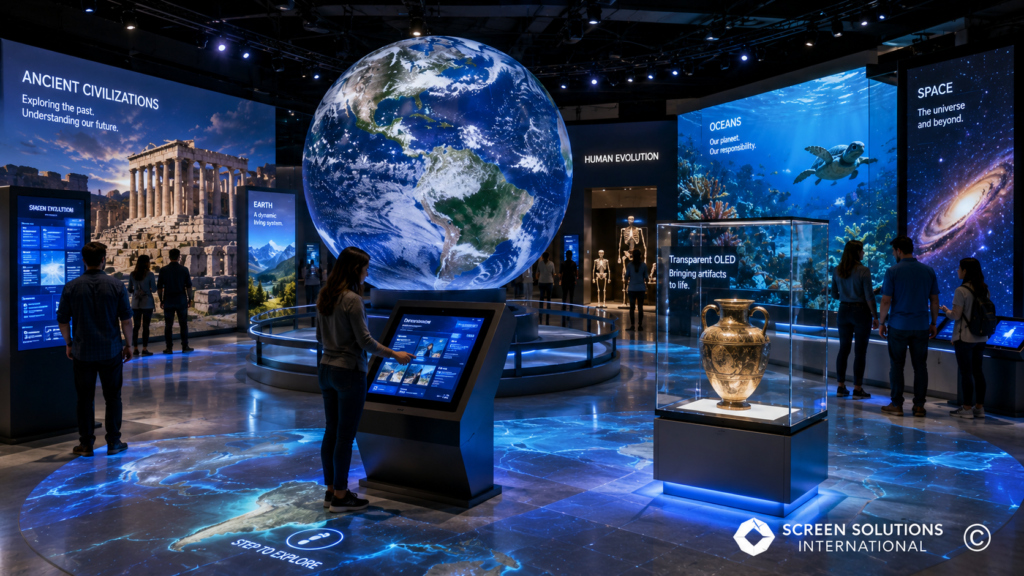
Museum Display Technology: Transforming Visitor Experiences Through Interactive Innovation
Museums are no longer limited to static exhibits and informational placards. Instead, today’s visitors expect immersive, interactive experiences that educate, entertain, and inspire. As a result, museum display technology has become one of the most important investments institutions can make to improve visitor engagement and modernize exhibits.
Furthermore, advances in digital technology now allow museums to tell stories in ways that were impossible just a few years ago. Rather than simply presenting information, institutions can now create memorable experiences that encourage exploration and participation. From interactive touch displays to digital spheres and immersive projection environments, modern display systems are helping museums attract visitors, increase engagement, and encourage repeat attendance.
What Is Museum Display Technology?
Museum display technology refers to the collection of digital tools used to enhance exhibits, improve storytelling, and increase visitor interaction.
These technologies often include:
- Interactive touch screens
- LED video walls
- Projection mapping
- Digital spheres
- Transparent OLED displays
- Interactive kiosks
- LED floors
- AI-powered digital guides
As technology continues to evolve, museums gain new opportunities to present information in dynamic and engaging ways. Consequently, visitors can absorb educational content more effectively while enjoying a more memorable experience.
Why Museums Are Investing in Digital Experiences
Visitor expectations continue to evolve.
While traditional exhibits remain important, modern visitors increasingly expect technology-enhanced experiences that provide interaction and personalization. In fact, many younger visitors have grown up surrounded by digital media and naturally gravitate toward interactive environments.
Benefits include:
- Increased visitor engagement
- Longer exhibit dwell times
- Improved educational outcomes
- Greater social media exposure
- Enhanced accessibility
- Increased repeat visitation
Because of these advantages, museums around the world are investing heavily in digital transformation initiatives. Moreover, many institutions view technology as a long-term strategy for remaining relevant and competitive.
Interactive Touch Displays for Museums
Interactive touch displays remain one of the most popular museum technologies.
Rather than simply reading exhibit information, visitors can actively explore content through touch. As a result, learning becomes more engaging and personalized.
Historical Timelines
Visitors can explore historical events in greater detail while uncovering additional context that may not fit on traditional exhibit signage.
Artifact Databases
Touch displays provide access to supplemental photos, videos, archival records, and research materials. In addition, museums can continually expand these databases without changing the physical exhibit.
Interactive Maps
Visitors can visualize geographic events, migration patterns, exploration routes, and historical movements more effectively.
Furthermore, touch displays allow museums to update content quickly and efficiently. Therefore, exhibits can remain current without requiring expensive redesigns.
LED Video Walls for Museum Exhibits
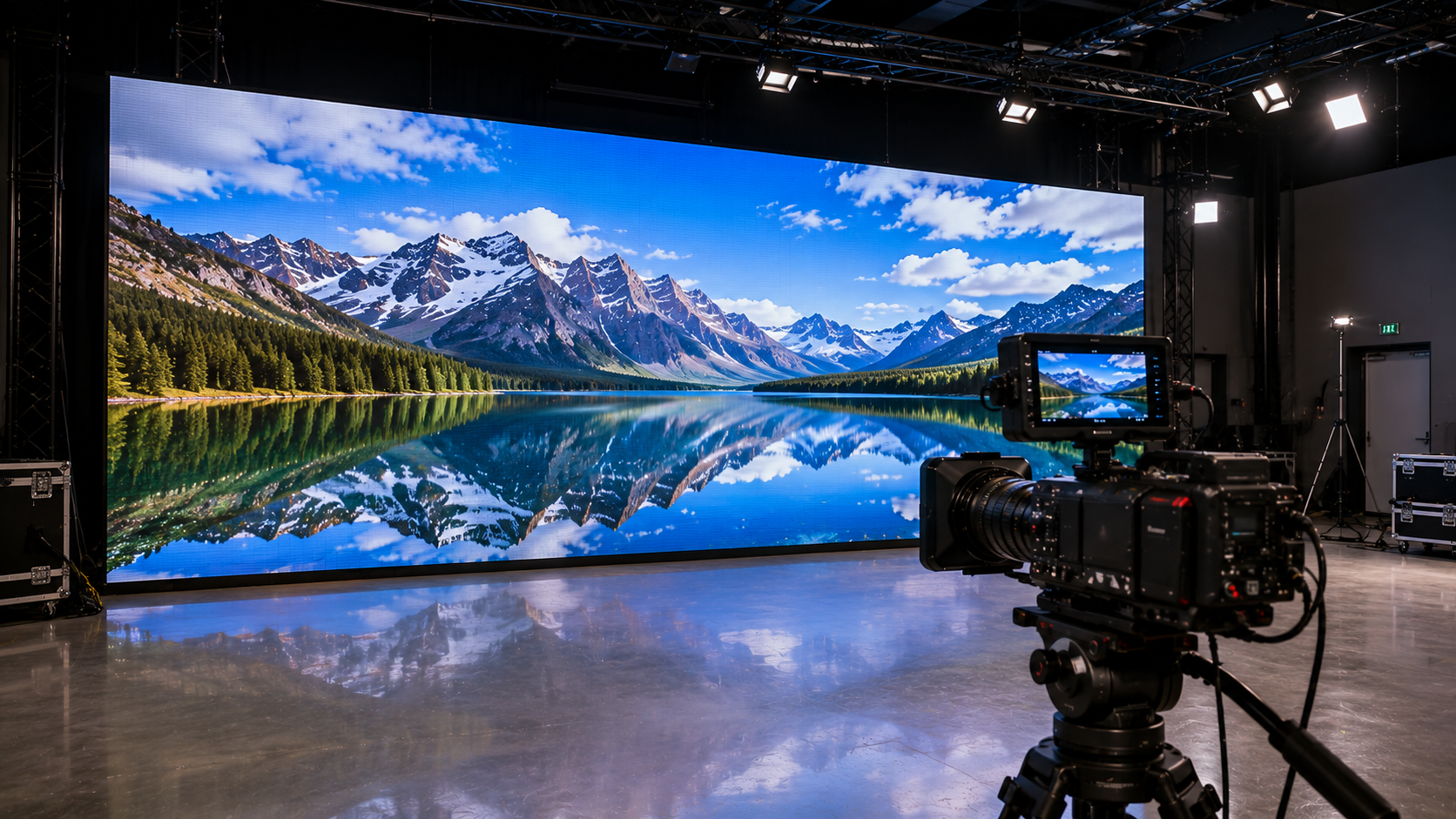
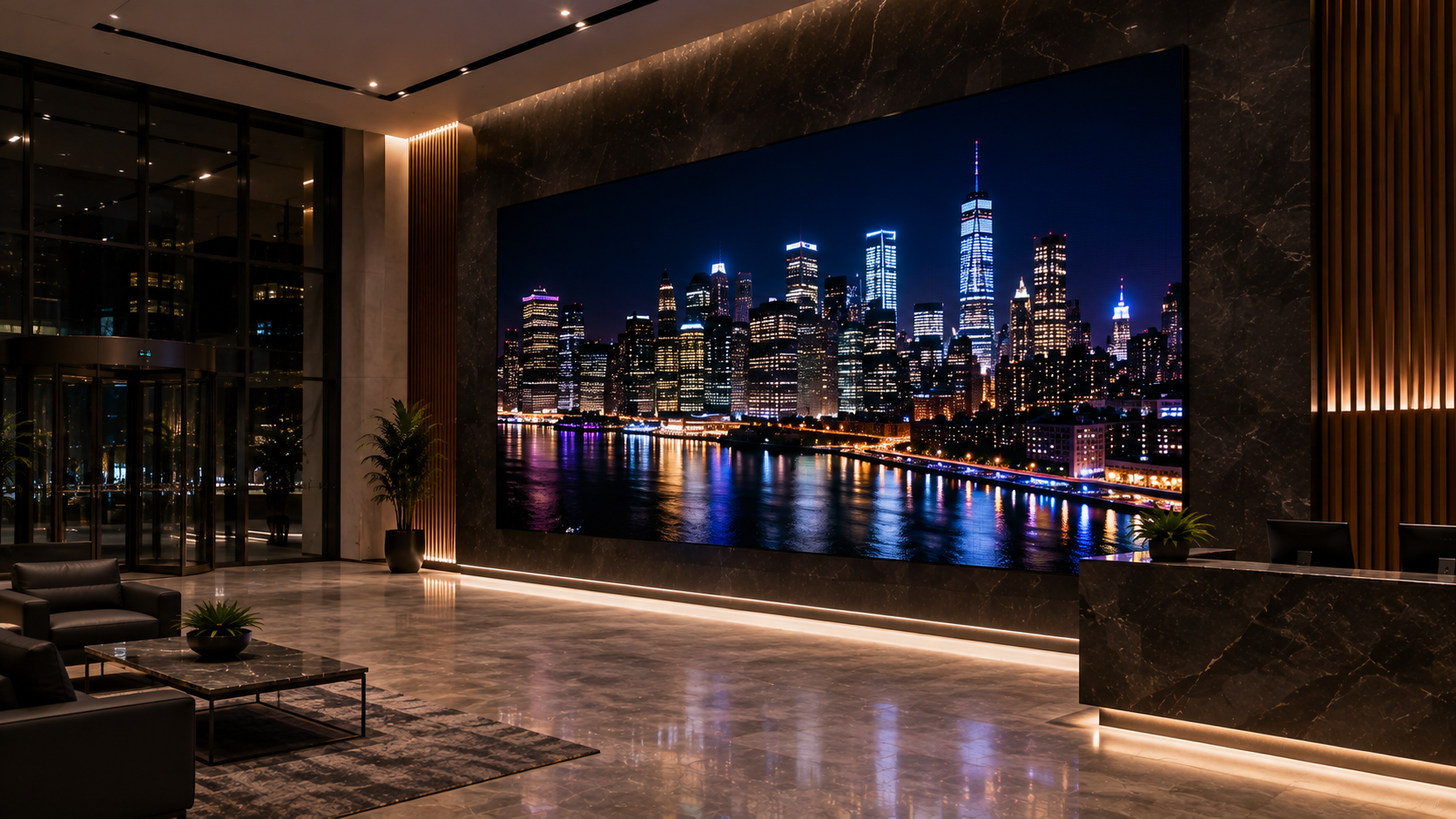
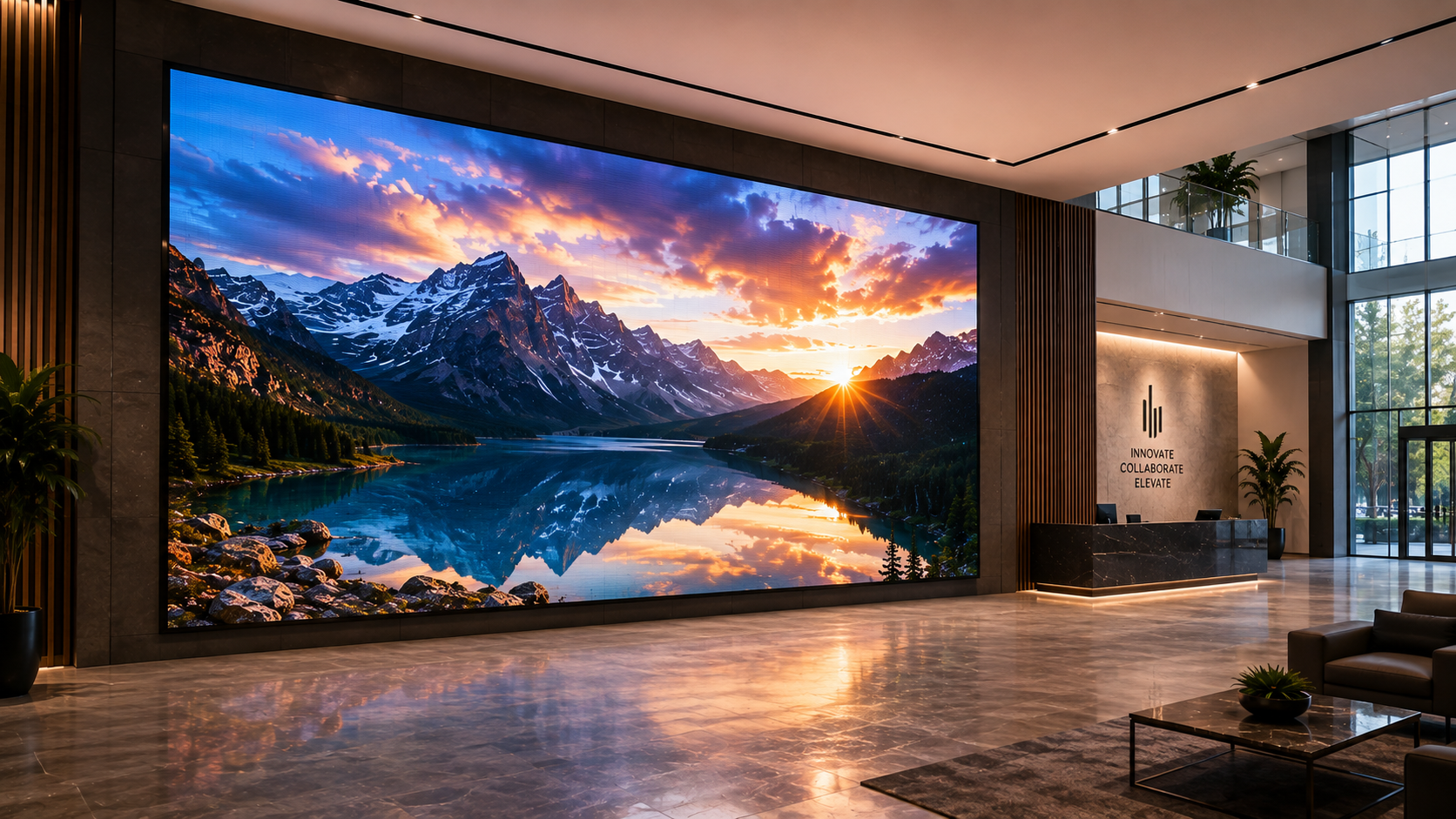
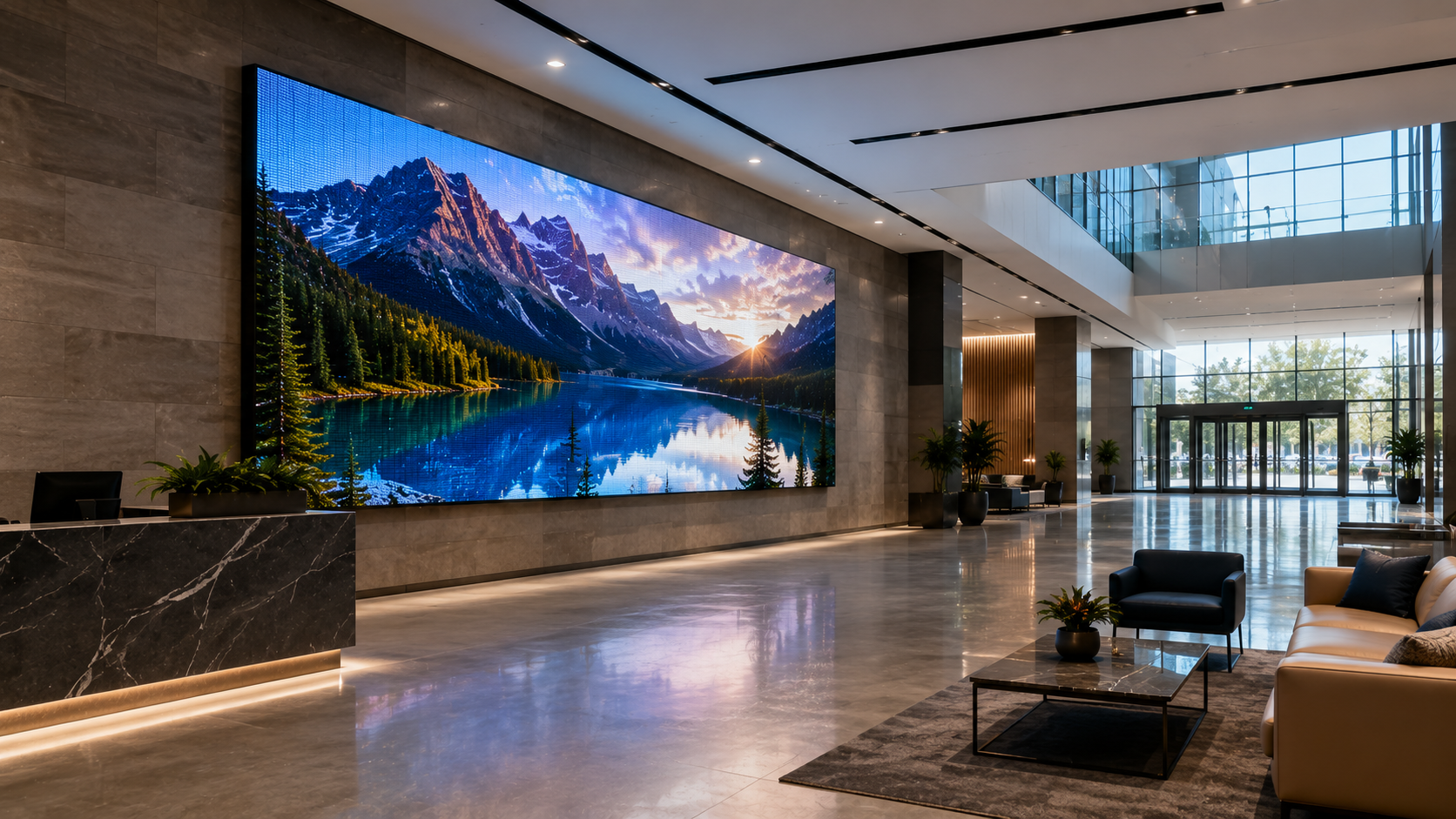
LED video walls create large-scale visual experiences that immediately capture visitor attention.
For example, museums often use LED walls for:
- Immersive storytelling
- Scientific visualizations
- Historical recreations
- Nature exhibits
- Space exploration content
Because LED displays offer exceptional brightness and image quality, they remain visible even in challenging lighting conditions. Additionally, their scalability allows museums to create displays ranging from small feature walls to massive immersive environments.
Digital Spheres for Educational Visualization
Digital spheres have become increasingly popular within science museums and educational institutions.
Unlike traditional flat-panel displays, spheres present content in a format that closely mirrors real-world geography and planetary systems. As a result, visitors can better understand complex spatial relationships.
Earth Science Exhibits
Display weather patterns, ocean currents, climate change data, and geological activity in real time.
Astronomy Exhibits
Show planets, moons, star systems, and celestial events from multiple perspectives.
Global Data Visualization
Present worldwide information in a format that visitors can immediately understand and interpret.
Consequently, scientific concepts become more accessible to audiences of all ages. At the same time, the visual impact of a digital sphere often becomes a centerpiece attraction within the exhibit.
Projection Mapping for Museums
Projection mapping allows museums to transform ordinary surfaces into dynamic storytelling tools.
For example, projection systems can animate:
- Historical artifacts
- Architectural models
- Scientific demonstrations
- Educational environments
Rather than relying solely on physical displays, museums can use projected content to create movement and context. Furthermore, projection mapping enables institutions to create immersive experiences without physically altering valuable artifacts or structures.
Transparent OLED Displays in Museums
Transparent OLED technology offers museums a unique way to combine physical artifacts with digital storytelling.
Visitors can view the actual object while digital information appears to float directly in front of it. As a result, the exhibit feels more integrated and visually impressive.
Common applications include:
- Artifact interpretation
- Scientific displays
- Product showcases
- Historical storytelling
In addition, transparent OLED displays help preserve sightlines while still delivering rich multimedia content. Therefore, visitors remain focused on the artifact itself rather than being distracted by separate information panels.
AI-Powered Museum Guides
Artificial intelligence is rapidly becoming a valuable museum technology.
AI-powered digital guides can:
- Answer visitor questions
- Provide directions
- Offer exhibit information
- Support multiple languages
- Deliver personalized experiences
Because AI systems operate continuously, visitors can receive assistance whenever they need it. Moreover, museums can enhance visitor support without significantly increasing staffing requirements.
Accessibility Through Technology
Modern museum technology also improves accessibility.
Examples include:
- Multi-language content
- Closed captioning
- Audio descriptions
- Interactive learning tools
- Adjustable content formats
By incorporating these features, museums can serve a broader audience while creating a more inclusive environment. As a result, educational content becomes accessible to visitors with diverse needs and learning styles.
Creating Immersive Museum Environments
Some of the most successful museums combine multiple technologies into a single experience.
For example, an exhibit may include:
- LED video walls
- Interactive touch displays
- Projection mapping
- Digital spheres
- Interactive floors
When these technologies work together, they create environments that fully immerse visitors in the story being told. Furthermore, the combination of visual, interactive, and educational elements helps reinforce learning while making exhibits more memorable.
Why Choose Screen Solutions International
Screen Solutions International provides advanced museum display technologies including:
- Digital spheres
- Interactive kiosks
- LED video walls
- Projection systems
- Projection domes
- Transparent OLED displays
- LED floors
- Custom exhibit technologies
Additionally, our team can help museums design complete visitor experiences that seamlessly combine education, engagement, and technology. Whether you’re building a science center, history museum, children’s museum, or traveling exhibit, we deliver innovative display solutions designed to captivate modern audiences.
Conclusion
Modern museum display technology is transforming how institutions educate and engage visitors. By incorporating interactive displays, immersive visuals, and advanced storytelling tools, museums can create memorable experiences that increase engagement and improve learning outcomes.
As visitor expectations continue to evolve, digital exhibit technologies will play an increasingly important role in the future of museums worldwide.
Call Screen Solutions International today at 888-631-5880 to discuss your museum technology project.
Internal Links
- https://ssidisplays.com/digital-spheres/
- https://ssidisplays.com/projection-mapping/
- https://ssidisplays.com/transparent-oled/
- https://ssidisplays.com/led-video-walls/
Suggested External Sources