
Immersive Display Technology Solutions for Museums, Retail, Corporate, and Experiential Spaces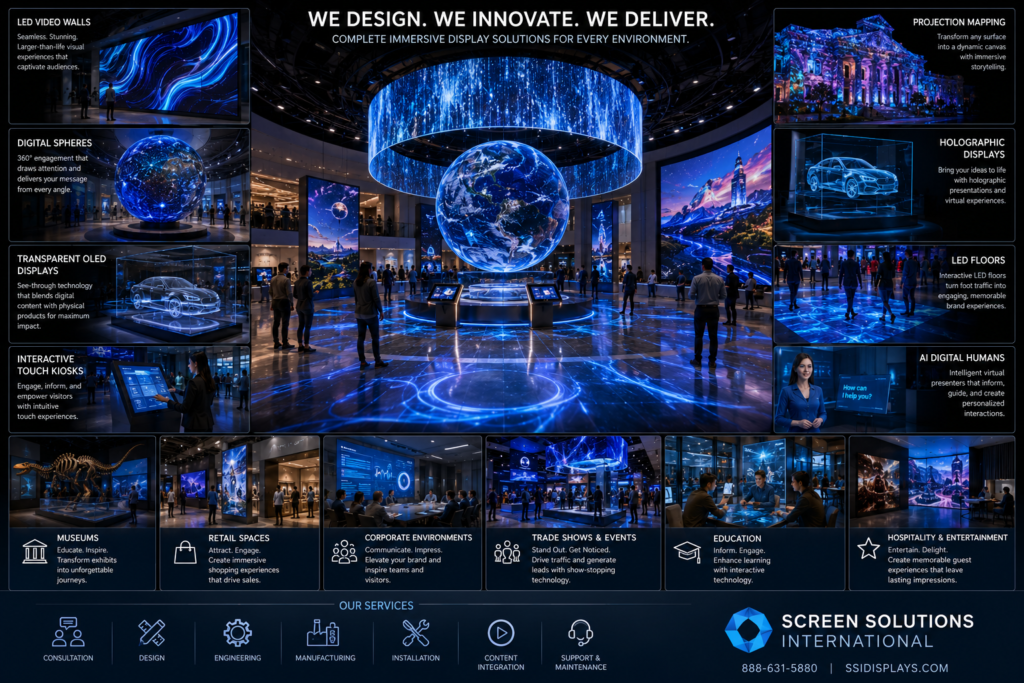
Immersive Display Technology: Creating Experiences People Remember
Unlike traditional displays that simply present information, immersive technologies actively engage visitors by combining visual content, interaction, storytelling, and physical environments. As a result, museums, retail stores, corporate headquarters, trade show exhibitors, and entertainment venues are increasingly investing in immersive display solutions to stand out from competitors.
Moreover, immersive display technology helps organizations move beyond passive communication. Instead of simply showing content, these systems invite audiences to explore, interact, and participate.
What Is Immersive Display Technology?
Immersive display technology refers to a collection of advanced digital systems designed to surround, engage, and interact with viewers.
These technologies often include:
- LED video walls
- Digital spheres
- Transparent OLED displays
- Interactive touch kiosks
- LED floors
- Projection mapping
- Holographic displays
- AI digital humans
- Interactive wayfinding systems
When combined, these solutions transform ordinary environments into highly engaging digital experiences. Therefore, organizations can communicate information more effectively while increasing visitor participation and retention.
Why Immersive Experiences Matter
Today’s audiences are exposed to thousands of advertisements and messages every day. Because of this, simply displaying information is often no longer enough.
Immersive technologies help organizations:
- Capture attention faster
- Increase visitor engagement
- Improve information retention
- Strengthen brand awareness
- Generate social media exposure
- Create memorable experiences
Furthermore, immersive environments encourage visitors to spend more time interacting with content. As a result, organizations can build stronger customer relationships and create deeper brand connections.
LED Video Walls: The Foundation of Immersive Spaces
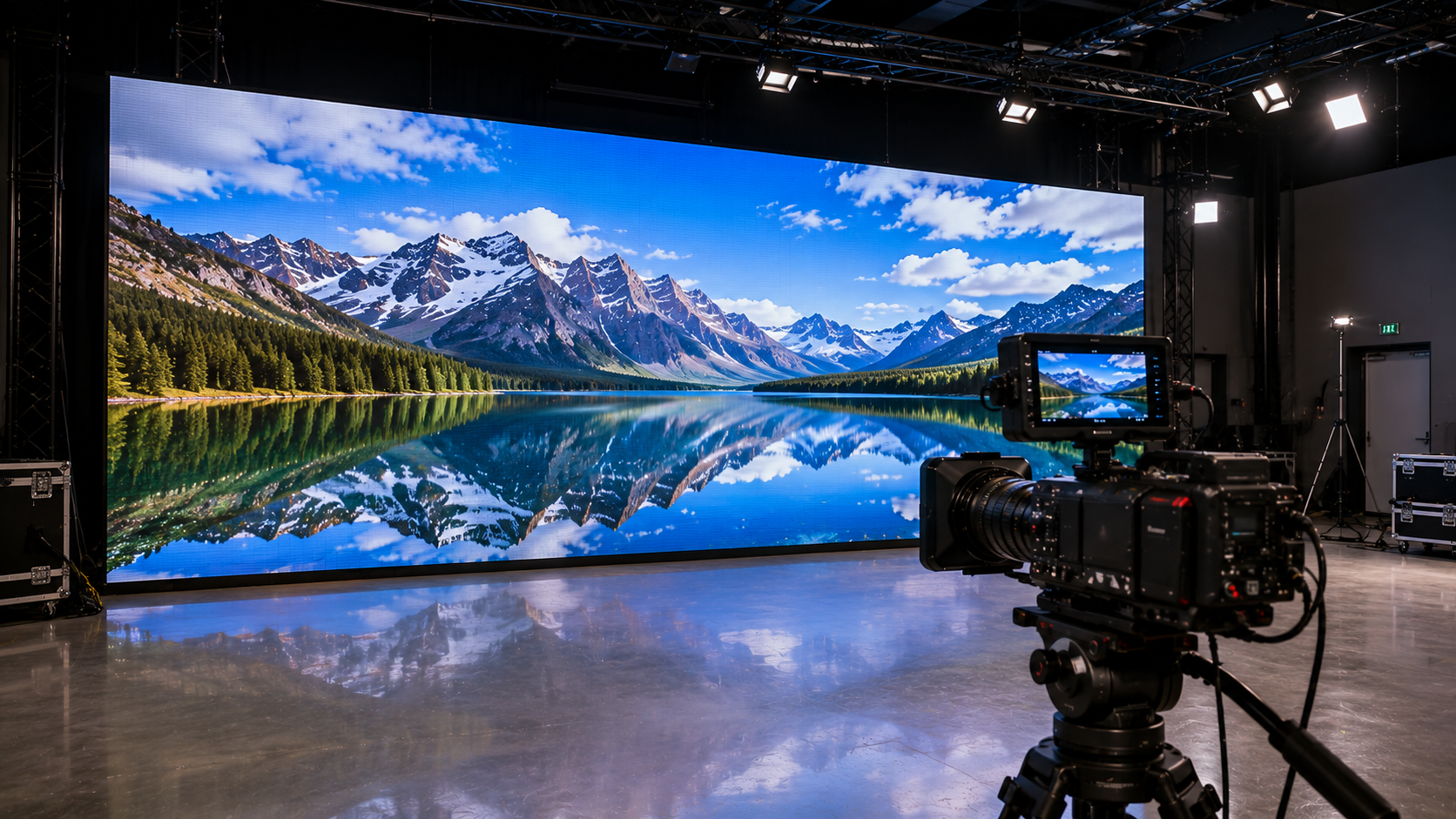
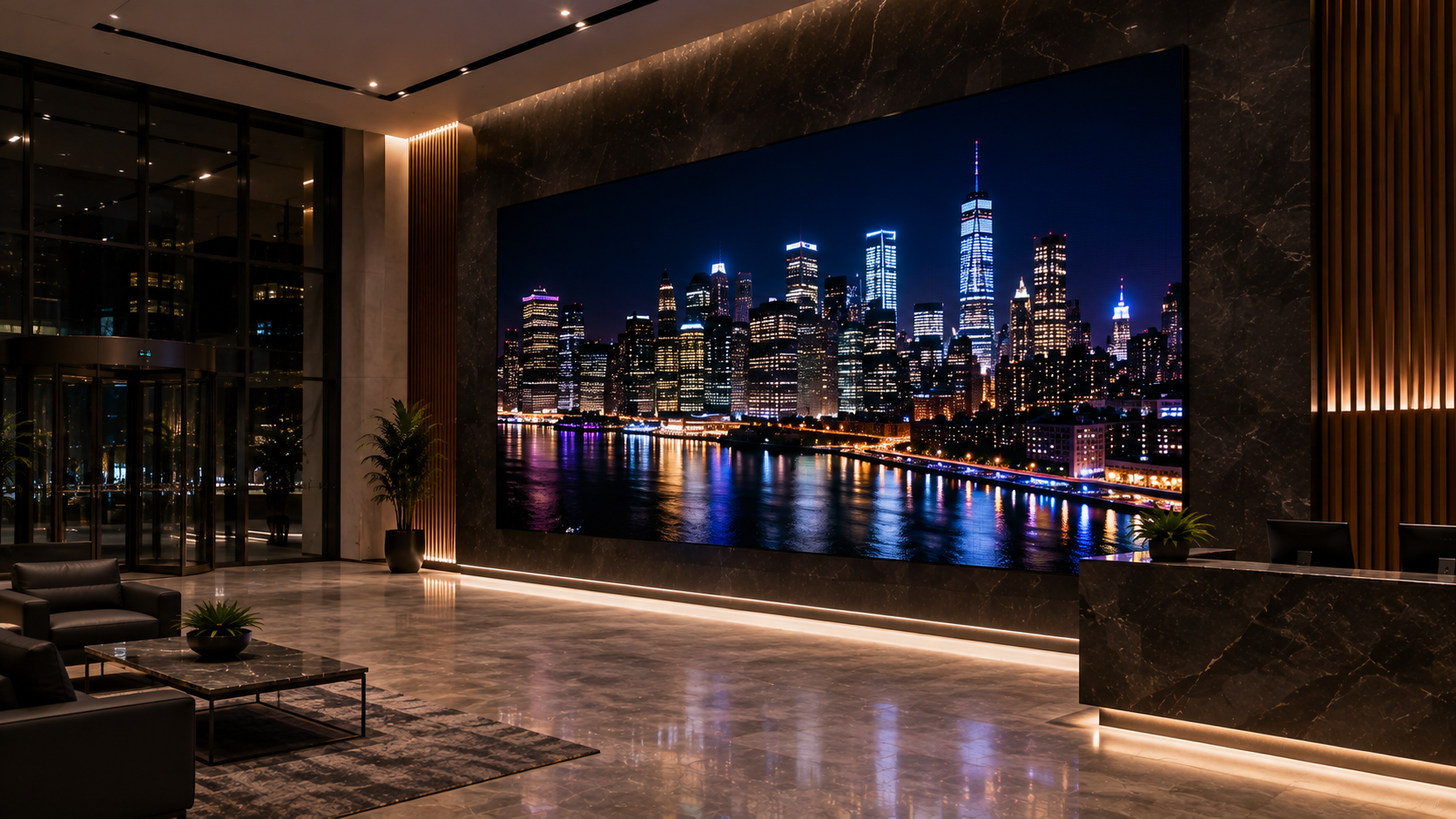
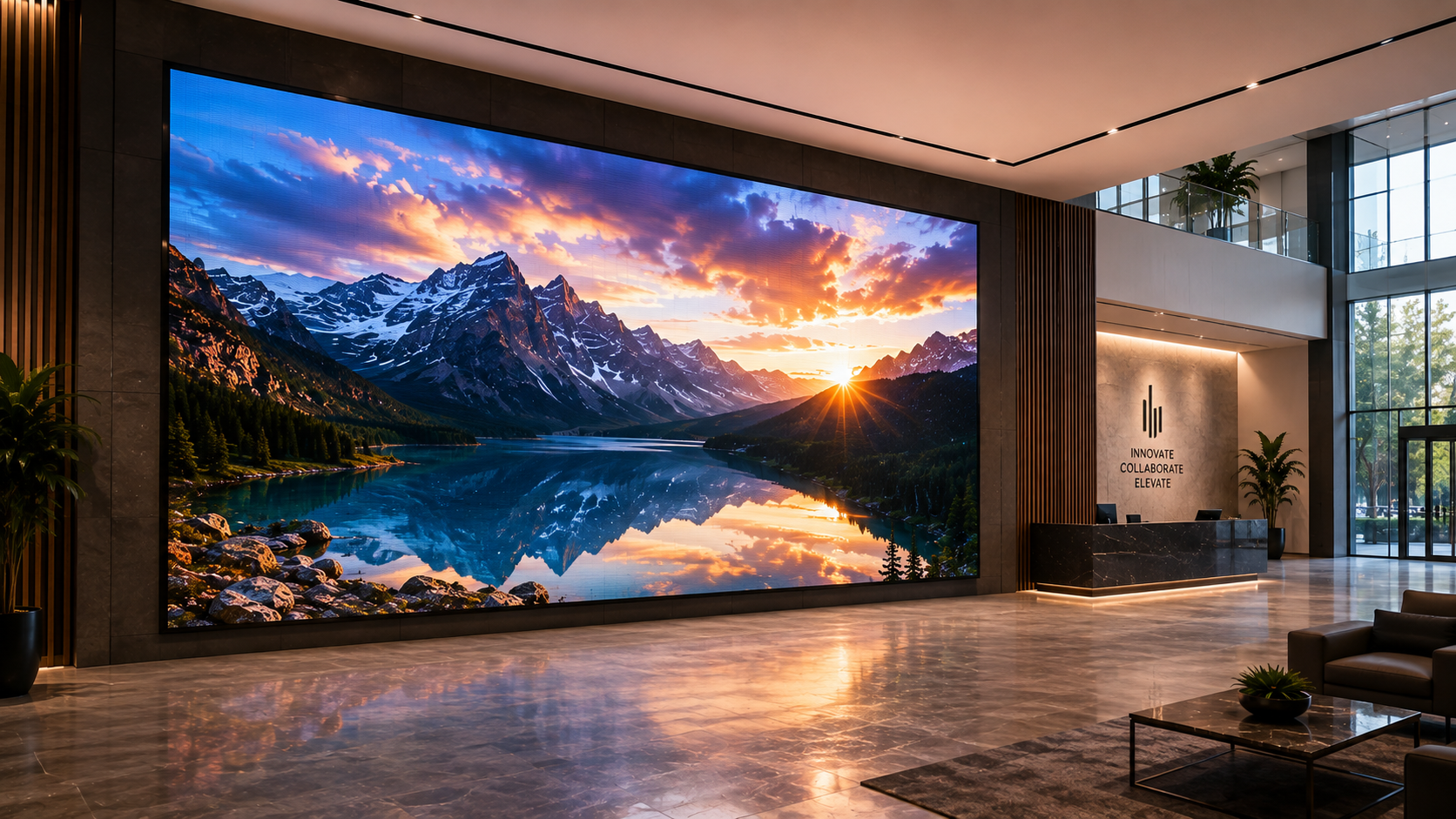
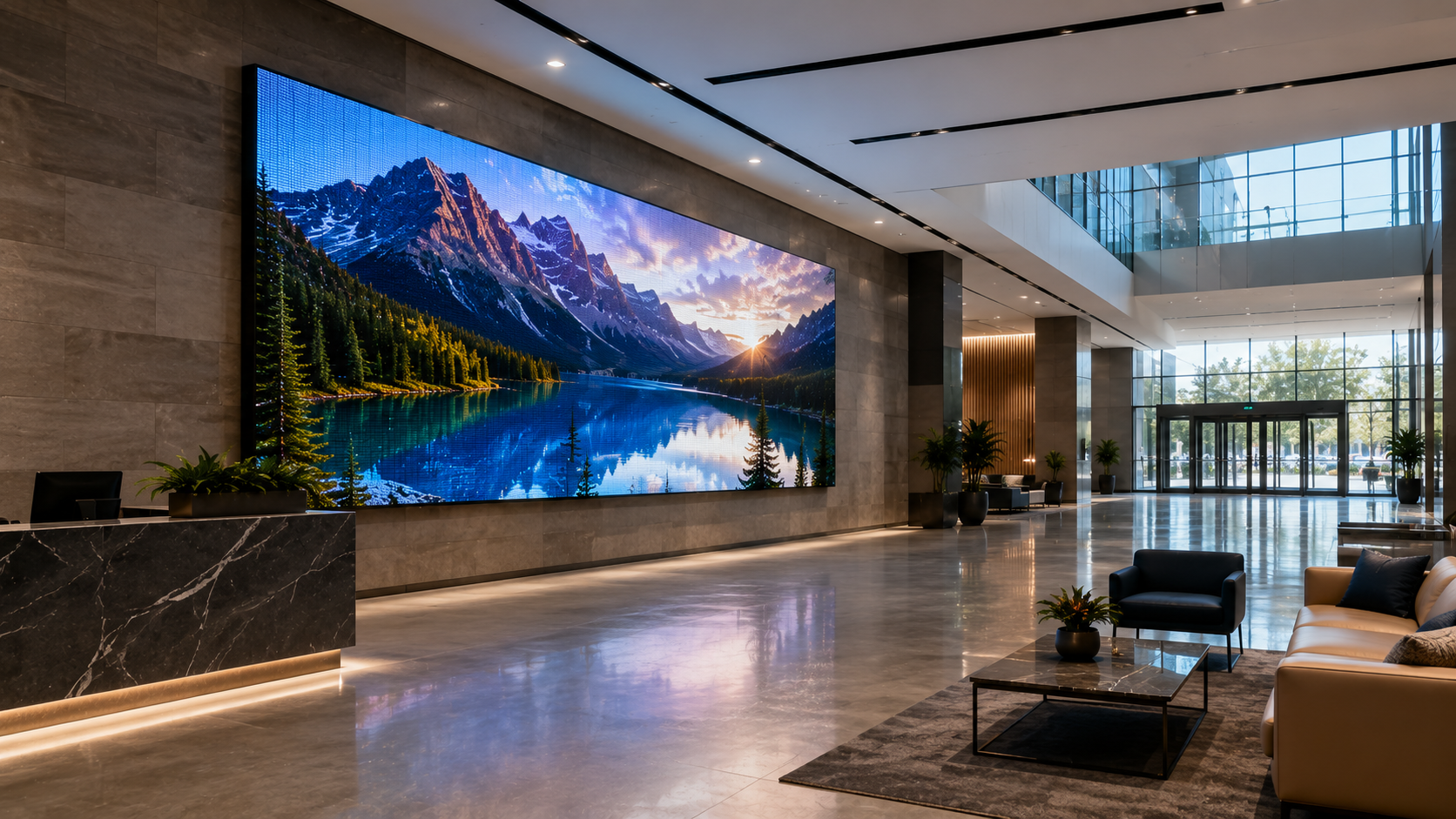
LED video walls remain one of the most popular immersive display technologies available today.
Unlike traditional displays, LED walls offer:
- Seamless imagery
- Exceptional brightness
- Flexible sizing
- Large-scale impact
Because of these advantages, LED walls are frequently installed in:
- Corporate lobbies
- Museums
- Retail stores
- Airports
- Universities
- Trade show exhibits
Additionally, LED walls can be integrated with interactive content, live data, and immersive storytelling systems. Therefore, they often become the visual foundation of a larger experience.
Digital Spheres: Creating 360-Degree Engagement
Digital spheres provide a completely unique viewing experience.
Unlike flat displays, content can be viewed from virtually every angle. Consequently, digital spheres have become popular for:
Museums
Museums use digital spheres to display Earth science, weather, climate, astronomy, and global data content.
Trade Shows
At trade shows, digital spheres attract attendees from across the exhibit hall. As a result, they help exhibitors create stronger booth visibility.
Corporate Spaces
In corporate spaces, digital spheres create memorable architectural focal points that immediately communicate innovation.
Furthermore, spheres naturally encourage photography and social sharing, increasing exposure beyond the physical installation.
Transparent OLED Displays: Blending Physical and Digital
Transparent OLED technology allows organizations to combine physical products with digital content.
Because black pixels become transparent, content appears to float in front of objects positioned behind the display. As a result, transparent OLED displays are frequently used for:
- Product showcases
- Museum exhibits
- Luxury retail environments
- Innovation centers
- Corporate briefing rooms
Additionally, they create a premium appearance that reinforces innovation and technological leadership. Therefore, transparent OLED displays are especially effective in environments where presentation quality matters.
Interactive Touch Kiosks: Empowering Visitors
Interactive touch displays give visitors direct control over their experience.
Rather than passively consuming information, users can:
- Browse content
- Search directories
- Explore exhibits
- Access product information
- Navigate facilities
Consequently, touch kiosks improve engagement while reducing the need for staff intervention. In addition, they allow organizations to update information quickly without replacing printed signage.
LED Floors: Turning Visitors Into Participants
LED floor displays extend digital experiences beyond walls and screens.
As visitors walk through content, they become active participants rather than passive viewers. For example, LED floors can trigger motion-based visuals, branded animations, or interactive effects.
Applications include:
- Museums
- Sports venues
- Retail environments
- Experiential marketing campaigns
- Corporate events
Furthermore, LED floors often become one of the most photographed features within an installation. As a result, they can increase both in-person engagement and online visibility.
Projection Mapping: Transforming Physical Spaces
Projection mapping allows digital content to be accurately aligned with physical objects and structures.
As a result, organizations can transform:
- Buildings
- Walls
- Domes
- Hemispheres
- Products
- Exhibit pieces
Projection mapping is especially effective because it creates highly immersive experiences without requiring permanent structural modifications. Therefore, it is ideal for temporary events, historic spaces, museum exhibits, and branded environments.
Holographic Displays and Digital Humans
Holographic technologies continue to gain popularity across multiple industries.
For example, organizations now use holographic displays to create:
- Product launches
- Virtual presenters
- Interactive guides
- Digital concierge systems
Furthermore, AI-powered digital humans can answer questions, provide information, and interact naturally with visitors. Consequently, businesses can provide personalized experiences at scale while creating a futuristic first impression.
Museum Technology Applications
Museums represent one of the largest growth markets for immersive technology.
Common applications include:
- Interactive exhibits
- Digital spheres
- Transparent OLED artifact displays
- Projection mapping
- Interactive kiosks
- Immersive educational environments
As a result, museums can increase visitor engagement while improving educational outcomes. Moreover, immersive technology helps make complex topics easier to understand through visual and interactive storytelling.
Retail Technology Applications
Retailers use immersive technologies to:
- Increase foot traffic
- Improve customer engagement
- Showcase products
- Enhance brand experiences
- Drive purchasing decisions
Furthermore, immersive displays help create premium shopping environments that differentiate brands from competitors. In turn, these experiences can support stronger customer loyalty and higher perceived brand value.
Trade Show Technology Applications
Trade show exhibitors frequently combine multiple technologies to maximize visibility.
Examples include:
- LED walls
- Digital spheres
- Transparent OLED displays
- Interactive kiosks
- LED floors
- Holographic experiences
Consequently, exhibitors can attract more visitors while generating higher-quality leads. Additionally, immersive technology helps booths stand out in crowded exhibit halls where attention is difficult to capture.
Corporate Experience Centers
Corporate environments increasingly utilize immersive technologies to communicate innovation.
Applications include:
- Executive briefing centers
- Corporate lobbies
- Product demonstration centers
- Visitor welcome experiences
- Interactive wayfinding
As a result, organizations create stronger impressions with customers, investors, and partners. Additionally, these environments help communicate complex ideas in a clear, visual, and memorable way.
Why Choose Screen Solutions International
Screen Solutions International specializes in designing and supplying immersive display technologies for organizations worldwide.
Our solutions include:
- LED video walls
- Digital spheres
- Transparent OLED displays
- Interactive touch kiosks
- Projection mapping systems
- LED floors
- Holographic displays
- AI digital humans
- Custom experiential installations
Additionally, we help clients design complete ecosystems that combine multiple technologies into a seamless visitor experience. Whether the goal is education, branding, wayfinding, product demonstration, or audience engagement, SSI provides display solutions built to create lasting impact.
Conclusion
Modern immersive display technology is transforming how organizations communicate, educate, market, and engage audiences. Whether deployed in museums, retail stores, trade shows, airports, universities, or corporate headquarters, immersive displays create experiences that visitors remember long after they leave.
As customer expectations continue to rise, organizations that invest in immersive technologies will be better positioned to capture attention, strengthen engagement, and create lasting impressions. Ultimately, immersive display technology gives organizations a powerful way to turn ordinary spaces into unforgettable experiences.
Call Screen Solutions International today at 888-631-5880 to discuss your immersive display technology project.
Internal Links
- https://ssidisplays.com/led-video-walls/
- https://ssidisplays.com/digital-spheres/
- https://ssidisplays.com/transparent-oled/
- https://ssidisplays.com/projection-mapping/
- https://ssidisplays.com/touch-screen-kiosks/
Suggested External Sources