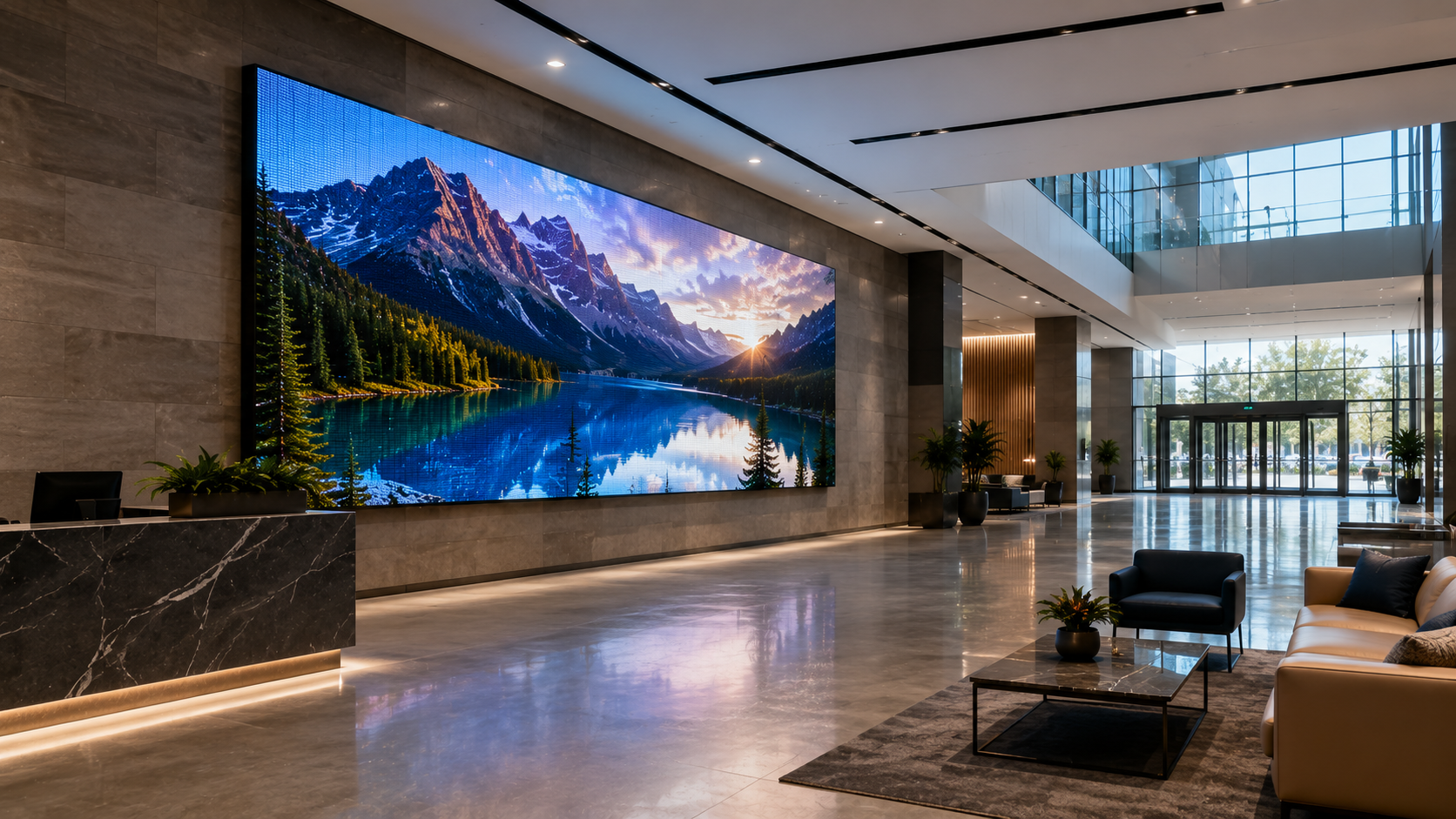

How Digital Signage Improves Customer Communication Across Every Industry
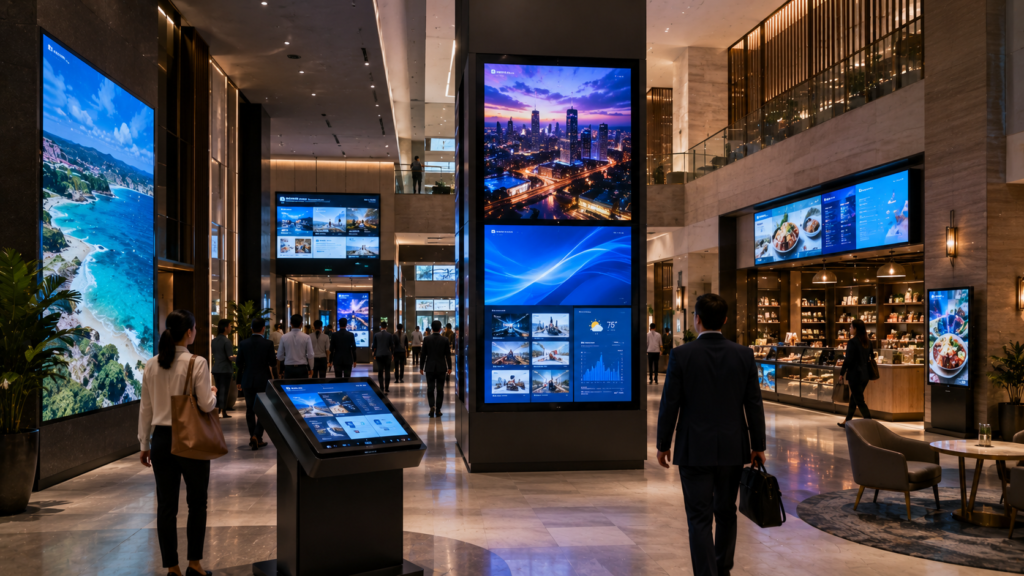
Effective communication has always been critical to business success. However, as customer expectations continue to rise, organizations need faster, more flexible ways to deliver information. While traditional signs still have their place, many businesses now require solutions that can adapt instantly to changing needs.
As a result, digital signage has become one of the most widely adopted communication technologies across retail, healthcare, education, hospitality, transportation, corporate environments, and public spaces. Furthermore, modern display systems allow organizations to update messaging in real time while maintaining a consistent and professional appearance.
Because information changes constantly, businesses increasingly rely on digital communication platforms to improve engagement, enhance customer experiences, and streamline operations. Consequently, digital signage continues to play a growing role in how organizations connect with audiences.
Why Traditional Communication Methods Have Limitations
Printed signs have served businesses for decades. However, they come with several challenges.
For example, traditional signage often requires:
- Printing costs
- Manual updates
- Physical replacement
- Limited flexibility
- Static messaging
As a result, businesses may struggle to keep information current.
In contrast, digital signage allows organizations to update content instantly. Furthermore, content can be scheduled, automated, and managed remotely. Therefore, businesses gain greater control over how information is delivered.
What Is Digital Signage?
Digital signage refers to a network of digital displays used to communicate information, promotions, announcements, schedules, and other visual content.
Unlike static signs, digital displays can show:
- Videos
- Animations
- Real-time information
- Interactive content
- Promotional messaging
- Live dashboards
- Event schedules
Because content can change dynamically, organizations can communicate more effectively while reducing operational challenges.
Why Businesses Continue Investing in Digital Communication Systems
Modern consumers expect immediate access to information.
Consequently, businesses need tools that allow them to communicate quickly and efficiently.
Key benefits include:
- Real-time updates
- Improved customer engagement
- Reduced printing expenses
- Enhanced brand consistency
- Better information visibility
- Greater flexibility
- Improved customer experiences
Additionally, organizations can tailor content based on time of day, audience demographics, locations, and events.
As a result, messaging becomes more relevant and effective.
Digital Signage for Retail Stores
Retail remains one of the largest users of digital communication systems.
Because shoppers are constantly exposed to competing messages, retailers need ways to stand out.
Common retail applications include:
Product Promotions
Stores can highlight featured products, special offers, and seasonal campaigns.
Window Displays
Dynamic content helps attract foot traffic and increase store visibility.
In-Store Communication
Retailers can guide customers toward featured products and promotions.
Furthermore, digital displays help retailers update content instantly without replacing physical signage.
Consequently, stores remain agile while improving customer engagement.
Digital Signage for Healthcare Facilities
Healthcare organizations require accurate and timely communication.
Therefore, hospitals, clinics, and medical facilities increasingly use digital displays to improve visitor experiences.
Applications include:
- Patient information
- Wait-time updates
- Health education
- Wayfinding
- Visitor communication
Additionally, healthcare providers can improve operational efficiency while reducing confusion.
As a result, both patients and visitors benefit from a more organized experience.
Digital Signage for Universities and Schools
Educational institutions often need to communicate information to thousands of students, faculty members, and visitors.
Because schedules and events change frequently, digital communication systems provide significant advantages.
Applications include:
- Event announcements
- Emergency messaging
- Campus maps
- Athletic schedules
- Student engagement content
Furthermore, educational institutions can manage content centrally across multiple buildings.
Consequently, information remains accurate and consistent throughout campus.
Digital Signage for Corporate Environments
Corporate organizations use digital displays to improve both internal and external communication.
Common applications include:
- Employee communications
- Company news
- Performance dashboards
- Visitor welcome messaging
- Meeting room schedules
Moreover, digital displays contribute to a modern workplace environment.
As a result, organizations can strengthen communication while reinforcing a technology-focused brand image.
Digital Signage for Hospitality and Entertainment
Hotels, resorts, casinos, and entertainment venues frequently deploy digital communication systems to improve guest experiences.
Applications include:
- Event schedules
- Promotional content
- Interactive directories
- Wayfinding
- Guest information
Because hospitality environments depend heavily on customer satisfaction, timely communication plays a critical role.
Therefore, digital displays often help improve both guest experiences and operational efficiency.
Digital Signage for Airports and Transportation Hubs
Transportation facilities serve large numbers of travelers every day.
Consequently, clear communication is essential.
Applications include:
- Arrival information
- Departure schedules
- Gate changes
- Wayfinding
- Public announcements
Furthermore, large digital displays help improve visibility in crowded environments.
As a result, passengers can find information more quickly and easily.
Integrating Interactive Technologies
Modern communication systems increasingly extend beyond simple display screens.
Many organizations now integrate:
- Interactive kiosks
- Mobile applications
- QR codes
- AI-powered assistants
- Touch displays
- Real-time analytics
Because these technologies work together, businesses can create more engaging and personalized experiences.
Consequently, communication becomes more effective while increasing customer participation.
Digital Communication Systems vs Traditional Signage
| Feature | Digital Signage | Traditional Signage |
|---|---|---|
| Real-Time Updates | Yes | No |
| Dynamic Content | Yes | No |
| Remote Management | Yes | No |
| Interactive Features | Possible | No |
| Scheduling Capability | Yes | No |
| Content Flexibility | High | Limited |
| Long-Term Adaptability | Excellent | Low |
Although printed signs still serve certain purposes, digital systems provide significantly greater flexibility.
Therefore, organizations increasingly view digital signage as a long-term communication solution.
Common Mistakes When Deploying Digital Signage
Many organizations focus on hardware while overlooking content strategy.
Common mistakes include:
- Poor content planning
- Infrequent updates
- Overcrowded messaging
- Inconsistent branding
- Incorrect display placement
- Ignoring audience behavior
Because content drives engagement, businesses should prioritize communication goals before selecting hardware.
Additionally, organizations should continuously evaluate content performance.
Future Trends in Digital Communication
Digital signage technology continues evolving rapidly.
Emerging trends include:
- AI-driven content management
- Personalized messaging
- Real-time data integration
- Interactive experiences
- Smart building integration
- Audience analytics
Furthermore, displays increasingly work alongside immersive technologies such as LED video walls, transparent OLED systems, digital spheres, and interactive kiosks.
As a result, organizations can create communication ecosystems rather than standalone display networks.
FAQ
What is digital signage?
Digital signage uses electronic displays to communicate information, promotions, schedules, and other content through dynamic digital media.
Which industries use digital signage?
Retail, healthcare, education, hospitality, transportation, corporate environments, and public facilities commonly use digital signage.
Can digital signage be updated remotely?
Yes. Most modern systems allow centralized remote content management and scheduling.
Does digital signage improve customer engagement?
Yes. Dynamic content often attracts more attention and provides greater flexibility than traditional printed signs.
Why Choose Screen Solutions International
Screen Solutions International provides advanced digital communication solutions for organizations seeking better customer engagement and information delivery.
SSI solutions include:
- Digital Signage Systems
- LED Video Walls
- Interactive Kiosks
- Transparent OLED Displays
- Digital Spheres
- LED Floors
- Projection Systems
- Custom Experiential Technologies
Additionally, SSI helps organizations evaluate content strategy, display selection, system design, and deployment planning. As a result, businesses can create communication systems that support both operational and customer experience goals.
Final Takeaway
Digital signage continues transforming how organizations communicate with customers, employees, students, patients, and visitors. Because it offers real-time updates, greater flexibility, and stronger engagement opportunities, it has become an essential communication tool across nearly every industry.
Ultimately, organizations that want to improve visibility, strengthen engagement, and modernize communication should consider implementing digital signage solutions. As customer expectations continue evolving, digital communication systems will remain a critical part of successful business operations.
Sources
Internal SSI Links
- https://ssidisplays.com/
- https://ssidisplays.com/digital-signage/
- https://ssidisplays.com/interactive-kiosks/
- https://ssidisplays.com/led-video-walls/
External Authority Sources