
Why Corporate Experience Centers Are Becoming Essential for Modern Businesses
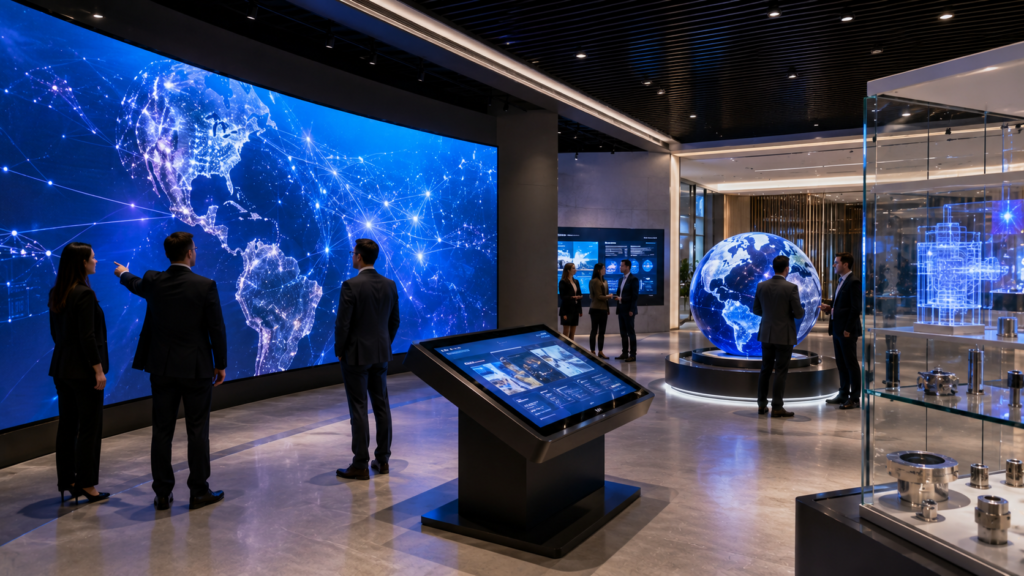
Businesses face increasing pressure to differentiate themselves in competitive markets. While products, services, and pricing remain important, customer perception often determines who wins new opportunities.
As a result, many organizations are investing in corporate experience centers that showcase innovation, educate visitors, and strengthen business relationships. Rather than relying solely on presentations and brochures, companies are creating immersive environments that allow customers, investors, partners, and prospects to experience their brand firsthand.
Furthermore, experience centers help organizations communicate complex information in a way that feels engaging and memorable. Consequently, they have become a powerful tool for sales, marketing, training, and customer engagement.
What Is a Corporate Experience Center?
A corporate experience center is a dedicated environment designed to showcase a company’s products, services, technologies, and capabilities through interactive and immersive experiences.
Unlike traditional conference rooms or showrooms, experience centers focus on engagement and storytelling.
Common features include:
- LED video walls
- Interactive touch displays
- Digital signage
- Transparent display technology
- Projection systems
- Digital globe displays
- Interactive kiosks
- Data visualization systems
As a result, visitors can explore information through multiple formats rather than simply viewing static presentations.
Why Experience Centers Continue to Grow
Business buyers increasingly expect more personalized and engaging interactions.
Because many products and services have become more complex, organizations need better ways to explain value propositions.
Experience centers help businesses:
- Improve customer engagement
- Strengthen brand perception
- Support sales presentations
- Showcase innovation
- Educate visitors
- Increase information retention
- Create memorable experiences
Furthermore, these environments provide opportunities to demonstrate products and technologies in real-world scenarios.
Therefore, organizations can often communicate value more effectively than through traditional sales methods.
Creating Strong First Impressions
First impressions can significantly influence business relationships.
Consequently, many companies use experience centers as the first destination for prospective customers, investors, and strategic partners.
Visitors often encounter:
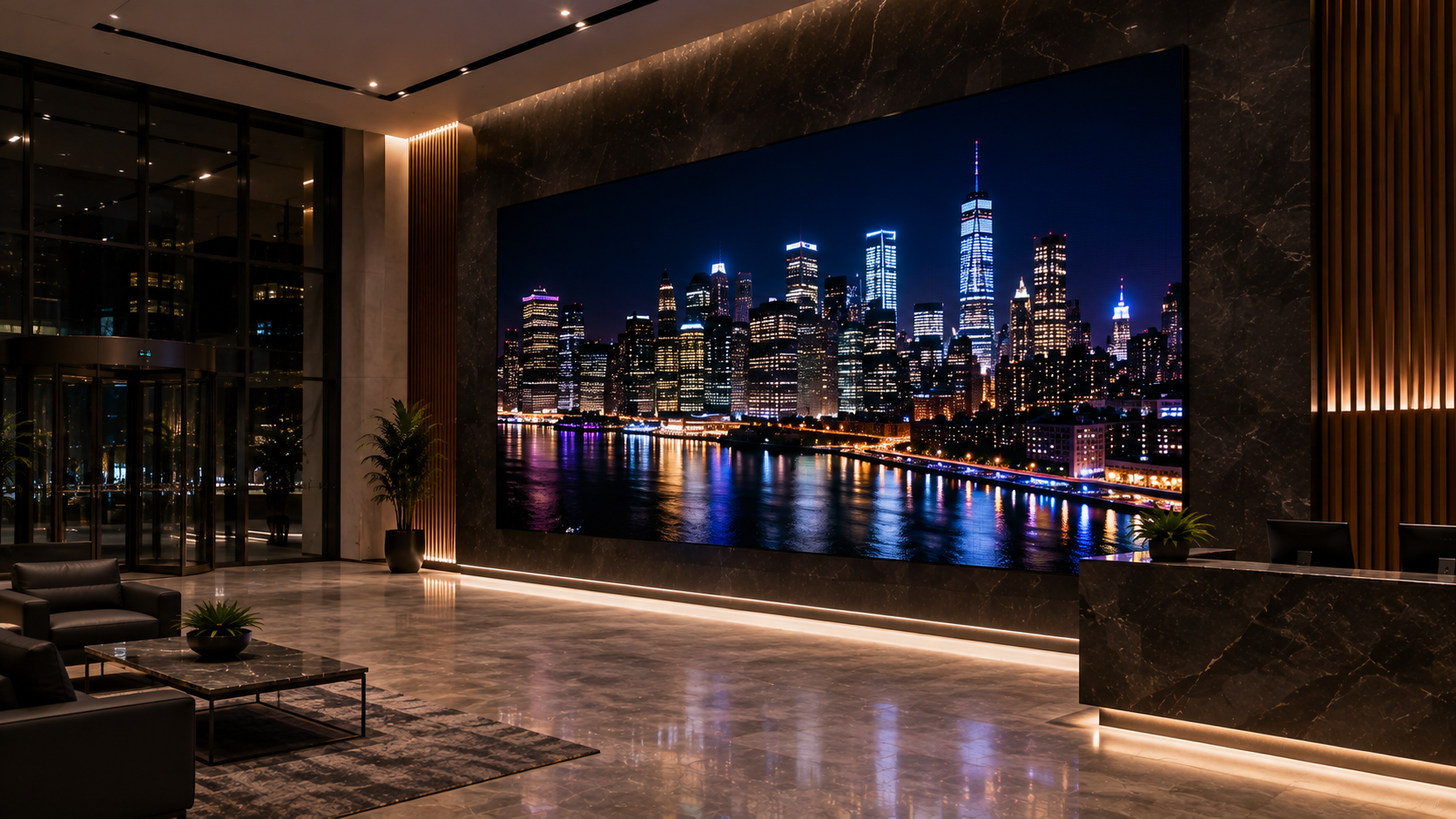
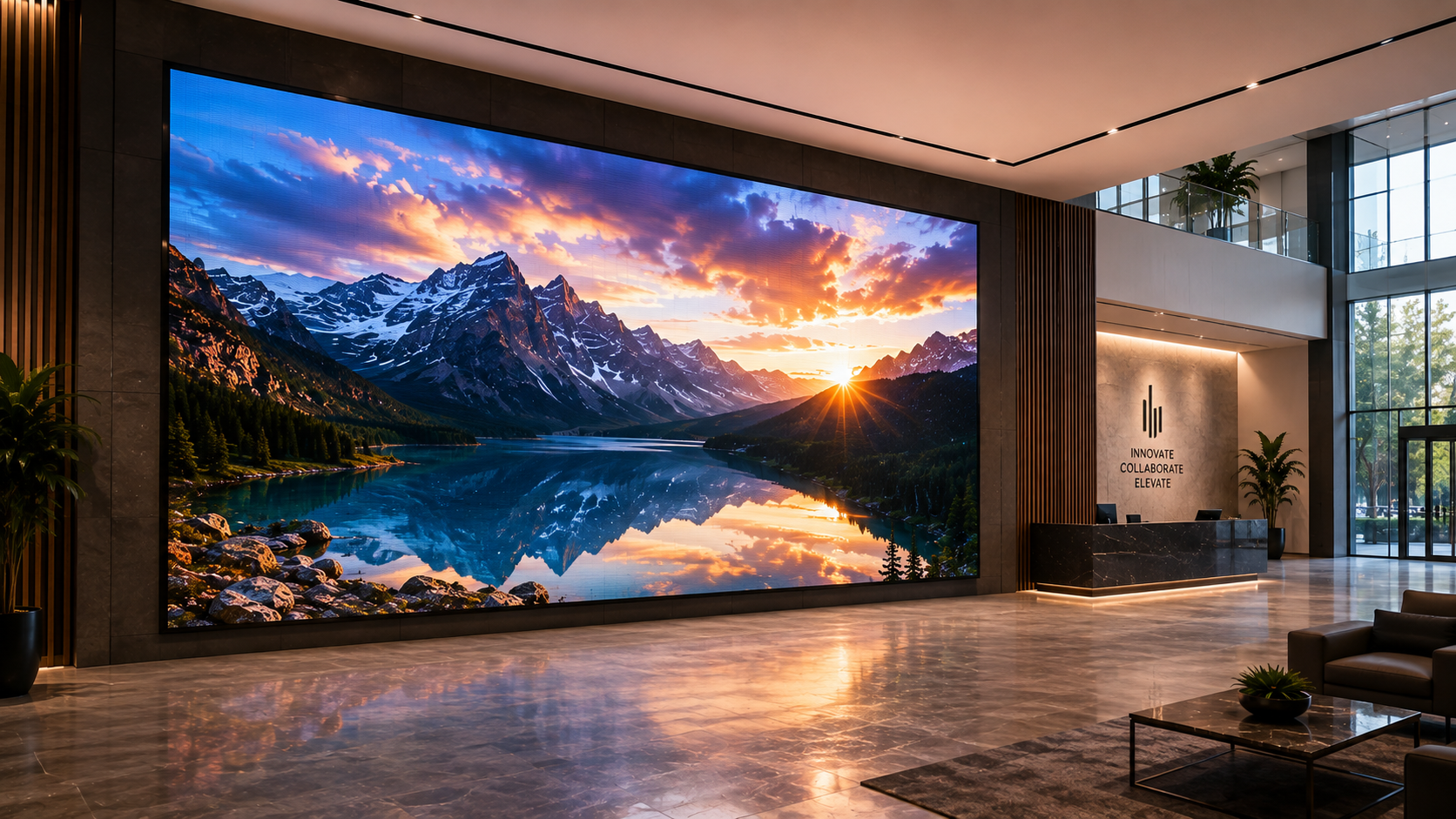
- Large-format visual displays
- Interactive welcome experiences
- Brand storytelling environments
- Product showcases
- Technology demonstrations
As a result, guests immediately experience the company’s capabilities rather than simply hearing about them.
Moreover, immersive environments often communicate innovation before a conversation even begins.
Using Large-Format Visual Technology
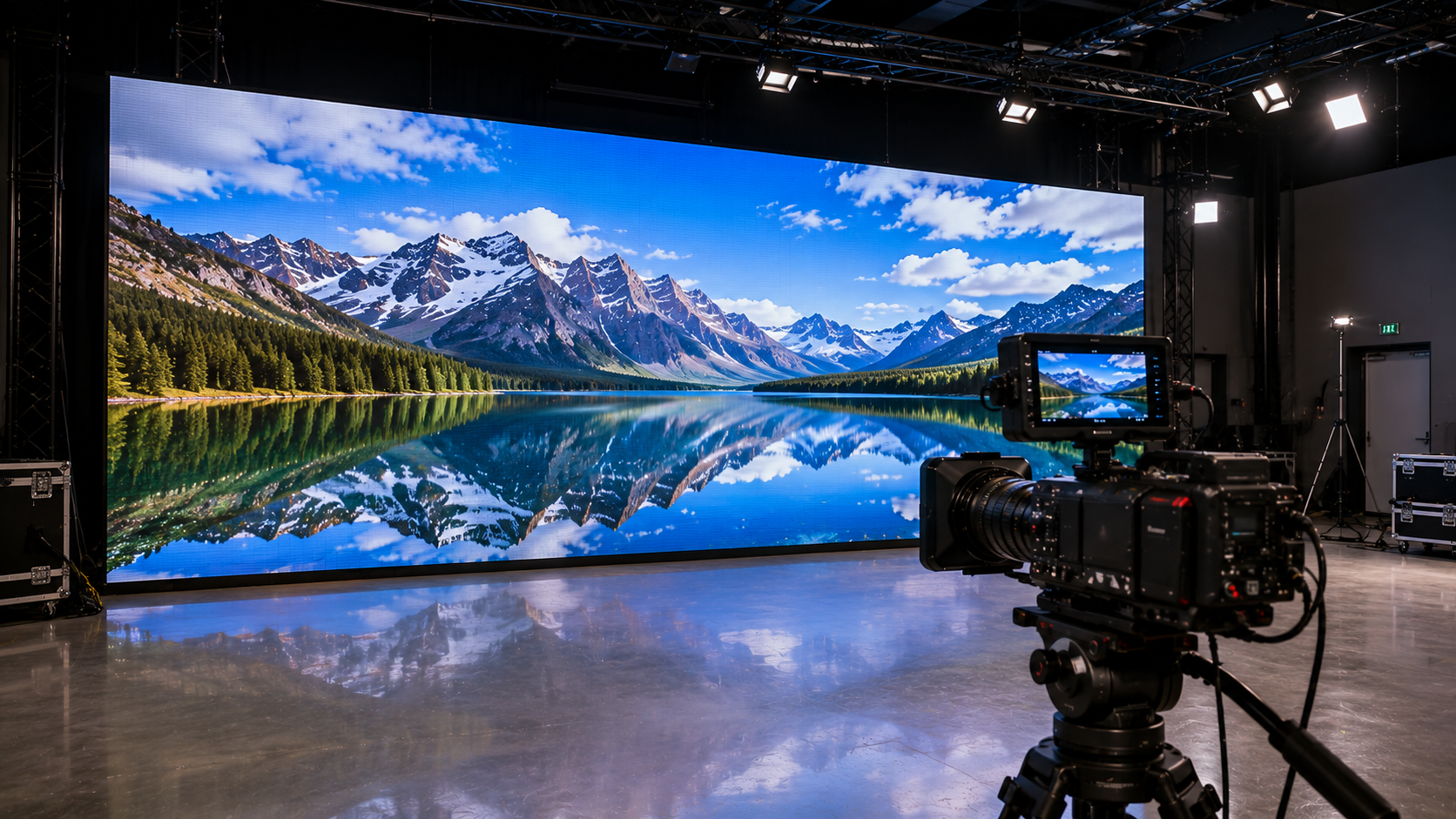
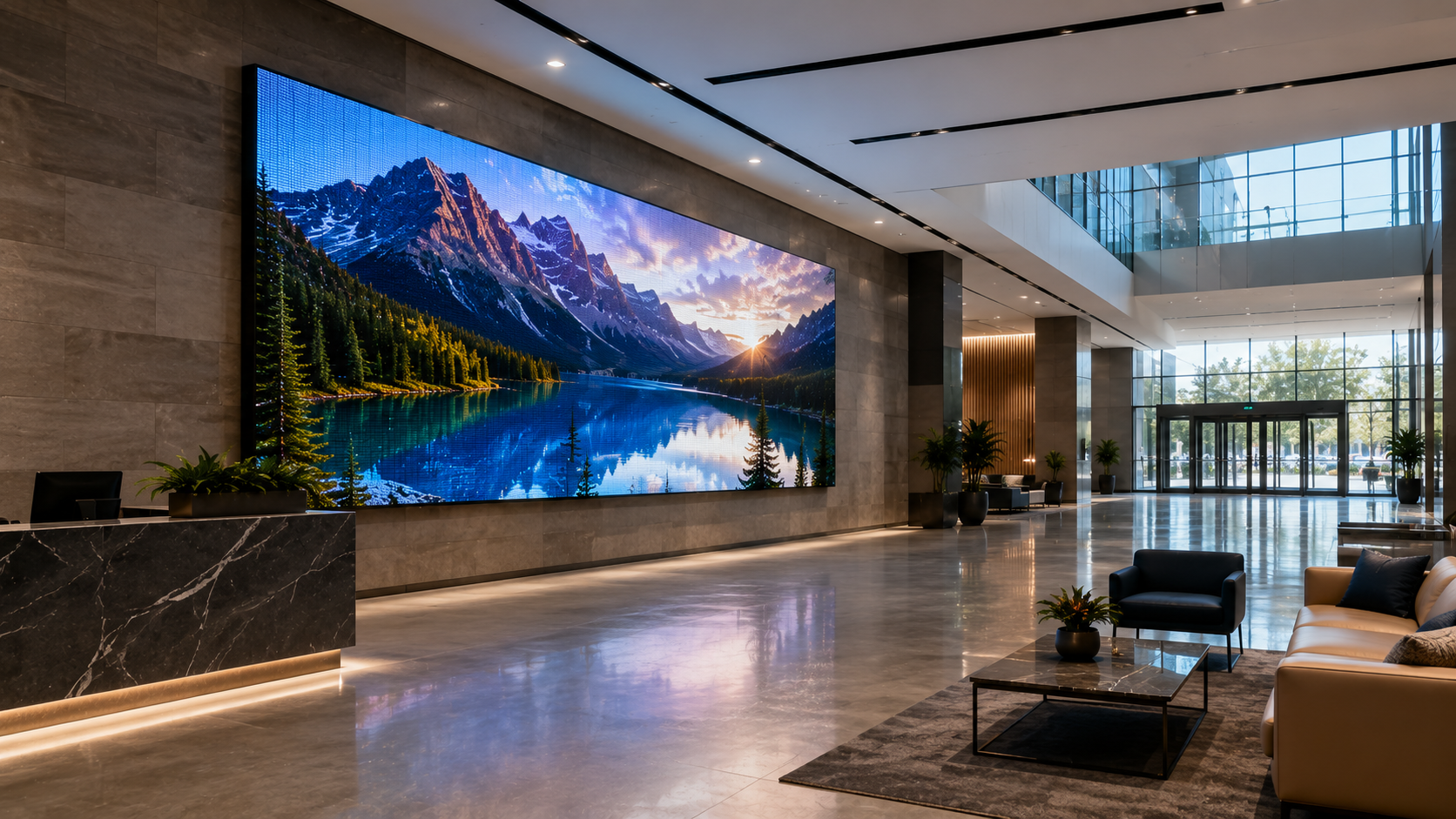
Large-format displays frequently serve as the centerpiece of modern experience centers.
Because visual communication is highly effective, organizations often deploy seamless display systems to present information on a larger scale.
Applications include:
Brand Storytelling
Companies can communicate their mission, history, and values through engaging visual content.
Product Demonstrations
Large displays allow organizations to showcase products, features, and use cases in a visually compelling format.
Data Visualization
Complex information can be presented through interactive dashboards and visual analytics.
Consequently, visitors can absorb information more efficiently while remaining engaged throughout the experience.
Interactive Technology Improves Engagement
Passive presentations often struggle to maintain attention.
Therefore, many organizations incorporate interactive technologies that encourage participation.
Popular interactive solutions include:
- Touchscreen displays
- Interactive kiosks
- Digital product selectors
- Interactive maps
- Visitor-controlled demonstrations
Because visitors actively participate in the experience, they often retain information more effectively.
Additionally, interactive systems allow organizations to personalize presentations based on individual interests.
Showcasing Products More Effectively
Many businesses need to demonstrate products that are highly technical or difficult to explain.
Fortunately, immersive technologies can simplify complex concepts.
Examples include:
- Industrial equipment demonstrations
- Manufacturing process visualizations
- Medical technology showcases
- Software presentations
- Infrastructure simulations
As a result, customers can understand capabilities faster and more clearly.
Furthermore, visual demonstrations often reduce confusion and accelerate decision-making.
Corporate Experience Centers for Technology Companies
Technology companies have become major adopters of experience center environments.
Because innovation is central to their brand identity, immersive experiences help communicate technical capabilities more effectively.
Applications include:
- Product launches
- Technology demonstrations
- Innovation showcases
- Customer education programs
- Executive briefings
Consequently, visitors gain a deeper understanding of technologies and solutions.
Moreover, companies can update content regularly without redesigning the physical environment.
Experience Centers for Manufacturing Companies
Manufacturers increasingly use experience centers to demonstrate capabilities that may be difficult to communicate through brochures or presentations.
Common applications include:
- Factory visualizations
- Production workflows
- Product demonstrations
- Quality control processes
- Supply chain visualizations
Therefore, customers can gain confidence in a company’s expertise and operational capabilities.
Additionally, manufacturers can showcase facilities that may not be accessible in person.
Integrating Multiple Display Technologies
The most successful experience centers rarely rely on a single technology.
Instead, they combine multiple systems to create a seamless visitor journey.
Popular combinations include:
- LED video walls
- Interactive kiosks
- Transparent OLED displays
- Digital spheres
- Projection systems
- Wayfinding technology
As a result, organizations can present information using the format best suited to each message.
Furthermore, the overall experience feels more immersive and cohesive.
Common Mistakes When Building an Experience Center
Many organizations focus heavily on technology while overlooking visitor experience.
Common mistakes include:
- Prioritizing hardware over storytelling
- Using too much information
- Poor content strategy
- Limited interactivity
- Ignoring visitor flow
- Inconsistent branding
Because technology alone does not create engagement, every system should support a clear communication objective.
Consequently, planning should always begin with audience goals rather than equipment specifications.
Future Trends in Experience Centers
Corporate experience centers continue evolving rapidly.
Emerging trends include:
- AI-powered presentations
- Personalized visitor journeys
- Real-time analytics
- Interactive digital humans
- Immersive data visualization
- Multi-sensory experiences
Furthermore, organizations increasingly integrate physical and digital environments into a single connected experience.
As a result, future experience centers will become even more engaging and personalized.
FAQ
What is the purpose of a corporate experience center?
A corporate experience center helps organizations showcase products, services, technologies, and capabilities through immersive experiences.
Who uses corporate experience centers?
Technology companies, manufacturers, healthcare organizations, educational institutions, and enterprise businesses commonly use experience centers.
Do experience centers improve sales?
Many organizations use experience centers to strengthen customer engagement and support sales efforts through immersive product demonstrations.
What technologies are commonly used?
LED video walls, interactive displays, transparent OLED technology, digital signage, projection systems, and digital spheres are frequently used.
Why Choose Screen Solutions International
Screen Solutions International helps organizations design and deploy immersive experience center technologies.
SSI solutions include:
- LED Video Walls
- Digital Spheres
- Interactive Kiosks
- Transparent OLED Displays
- Projection Systems
- LED Floors
- Digital Signage Solutions
- Custom Experiential Technologies
Additionally, SSI assists with technology planning, content strategy, display integration, and installation support. As a result, organizations can create environments that strengthen engagement while communicating information more effectively.
Final Takeaway
Corporate experience centers are transforming how organizations engage customers, investors, and business partners. Because immersive environments improve communication, strengthen brand perception, and support sales efforts, they have become a valuable investment across many industries.
Ultimately, businesses that want to create stronger impressions and communicate complex information more effectively should consider how an experience center can enhance their customer engagement strategy.
Sources
Internal SSI Links
- https://ssidisplays.com/
- https://ssidisplays.com/led-video-walls/
- https://ssidisplays.com/transparent-oled-displays/
- https://ssidisplays.com/interactive-kiosks/
External Authority Sources